Growing carrots successfully requires attention to several key factors, from soil preparation to harvesting. Here are ten essential tips to help you cultivate a bountiful carrot crop. By following these tips, you can cultivate healthy, flavorful carrots that will enhance your garden’s bounty.
Choose the Right Soil
When it comes to growing carrots, the importance of choosing the right soil cannot be overstated. Carrots thrive in deep, loose, and well-draining soil, allowing their long roots to grow unobstructed. Compacted or rocky soil can lead to deformed and stunted carrot roots. It’s essential to aim for a soil pH between 6.0 and 6.5 for optimal growth. Integrating well-rotted compost or manure into the soil can significantly improve its fertility and structure, providing the perfect foundation for healthy carrot growth. Ensuring that the soil is free from stones and other debris will further promote the development of straight, plump carrots, making the selection of the right soil a fundamental step in the cultivation process.
Another crucial aspect of soil selection for carrot cultivation is its ability to retain moisture while still offering excellent drainage. Carrots require consistent moisture to support their growing, particularly during the crucial period of germination. A well-structured and well-drained soil will help to prevent issues such as rot and cracking, which are often caused by uneven or insufficient watering. By prioritizing the right soil, including considerations for its texture, pH, and capacity to retain moisture, you create an ideal environment for your carrot crop to thrive.
Time
Planting carrots at the right time is of the utmost importance in ensuring a successful harvest. Carrots are a cool-season crop and grow best when temperatures range from 50°F to 75°F (10°C to 24°C). In most regions, the optimal time to sow carrot seeds is directly into the soil in early spring, a few weeks before the last expected frost. This timing sets the stage for healthy and robust carrot growth, allowing the plants to develop without the adverse effects of extreme heat or prolonged exposure to frost. To ensure a continuous harvest, you can stagger your sowing, planting seeds every three weeks. This method provides a steady supply of fresh and flavorful carrots throughout the growing season.
When considering the best time to plant, it’s essential to take into account the specific climate and conditions of your region. Understanding the typical weather patterns and soil temperatures for your area will guide you in selecting the most favorable time for sowing carrot seeds. By aligning your planting schedule with the optimal growing conditions, you can maximize the potential of your carrot crop and look forward to a bountiful harvest at the ideal time.
Seeds Properly
Sowing carrot seeds properly is a critical step in the successful cultivation of these root vegetables. Carrot seeds should be planted no more than ½ inch deep in the soil. This shallow depth is essential for promoting rapid and even germination. To ensure the best seed distribution, it’s advisable to sow two to four seeds per inch, as the germination rates of carrot seeds can vary. After sowing, it’s important to thin the emerging seedlings to about 2 inches apart. This practice not only provides sufficient space for the development of healthy carrot roots, but it also reduces competition for nutrients and other essential resources in the soil, ultimately contributing to the overall success of the carrot crop.
Moreover, paying attention to the proper spacing of the seeds is essential, as it can significantly impact the final size and quality of the harvested carrots. By taking the time to sow the seeds with care and subsequently thin the seedlings, you can promote the optimal growth and development of your carrots, leading to a more rewarding and fruitful gardening experience.
Maintain Consistent Moisture
Maintaining consistent moisture in the soil is paramount for the successful growth of carrots. During the crucial germination phase, which typically takes about two weeks, it is essential to keep the soil consistently moist. However, it’s important to avoid waterlogging, as excess moisture can lead to issues such as rot and poor root development. Once the carrot plants are established, they will require approximately 1 inch of water per week. Inconsistent watering can give rise to a range of issues, including the development of bitter-tasting roots and an increased susceptibility to pest-related damage.
To ensure optimal moisture levels, consider implementing a regular and consistent watering schedule, adjusting it as needed based on prevailing weather conditions. Implementing a layer of mulch around the carrot plants can help to retain soil moisture, suppress weed growth, and contribute to the overall health and vitality of the carrot crop. By prioritizing consistent moisture levels, you can support the steady growth and development of your carrots, ultimately leading to a more abundant and high-quality harvest.
Thin, Control Weeds, Protect from Pests
Thinning, controlling weeds, and protecting against pests are essential practices for promoting the health and vigor of your carrot crop. Once the carrot seedlings have emerged and developed a few sets of leaves, it’s crucial to thin them to the appropriate spacing of about 2 inches apart. This practice ensures that each carrot plant has sufficient room to grow and develop a robust, well-formed root. Additionally, thinning helps to reduce competition for nutrients, water, and sunlight, contributing to the overall strength and quality of the carrot crop.
Furthermore, effective control of weeds is imperative to prevent competition for vital resources such as water and nutrients. Employing shallow cultivation methods to remove weeds while being careful not to disturb the delicate carrot roots is the recommended approach. Moreover, applying a layer of mulch over the soil surface can help to suppress weed growth and minimize the need for extensive weeding, thus promoting a more efficient and hassle-free cultivation process.
Protecting your carrot plants from damaging pests, such as the carrot fly, is crucial to safeguarding the health and quality of the crop. Implementing measures such as covering the carrot bed with insect-proof mesh or horticultural fleece creates a protective barrier that prevents adult flies from laying eggs near the carrot roots. This proactive approach reduces the risk of pest-related damage and contributes to the overall success of the carrot cultivation, ultimately leading to a more bountiful and high-quality harvest.
Fertilize Wisely
An essential aspect of carrot cultivation is the wise application of fertilizers to support healthy growth and optimal root development. Over-fertilizing, particularly with fresh manure, can lead to the development of forked and deformed carrot roots. Instead, it’s advisable to apply a balanced fertilizer, such as 10-10-10, at the time of planting and again when the carrot plants are about one-third grown. This approach provides the necessary nutrients for robust growth without promoting excessive foliage development at the expense of root formation.
Prioritizing the use of well-composted organic fertilizers or balanced synthetic fertilizers contributes to the overall fertility of the soil and ensures that the carrot plants receive the essential nutrients they require at various stages of their growth. By fertilizing wisely and in accordance with the specific stage of growth, you can promote the development of healthy, flavorful carrots with well-formed and abundant roots, leading to a more satisfying and fruitful gardening experience.
Harvest and Store
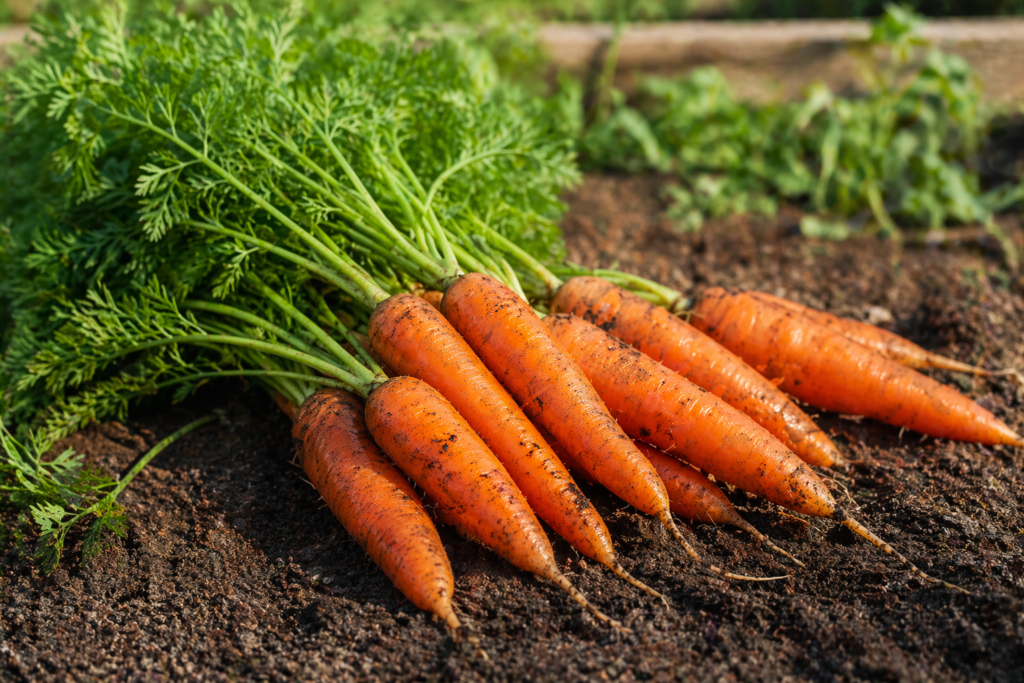
Knowing the optimal time to harvest and understanding the correct methods of storing carrots are essential for maximizing the quality and longevity of your harvest. Carrots can be harvested when they reach a usable size, typically when they are about the diameter of a pencil. For those seeking the largest and most flavorful yields, consider waiting until after a light frost, as this can enhance the sweetness and overall flavor of the carrots.
After harvesting, it’s important to remove the tops and store the carrots in a cool, moist place to maintain their freshness and crispness. Avoid washing the carrots until you are ready to use them, as excess moisture can lead to rot and a decline in quality. Carrots can be stored in the refrigerator, in sand, or even frozen for long-term preservation, providing you with a reliable supply of homegrown, fresh carrots to enjoy for an extended period.
Conclusion
By following these essential tips and guidelines, you can set the stage for a successful and rewarding experience in growing a fruitful crop of delicious, healthy carrots. From choosing the right soil to implementing effective pest control and ensuring proper moisture levels, each aspect of carrot cultivation plays a vital role in the final outcome of your harvest. By staying attentive to the specific needs of your carrot plants and providing them with the care and support they require, you can look forward to an abundant and flavorsome harvest that will undoubtedly enhance your gardening triumphs.