
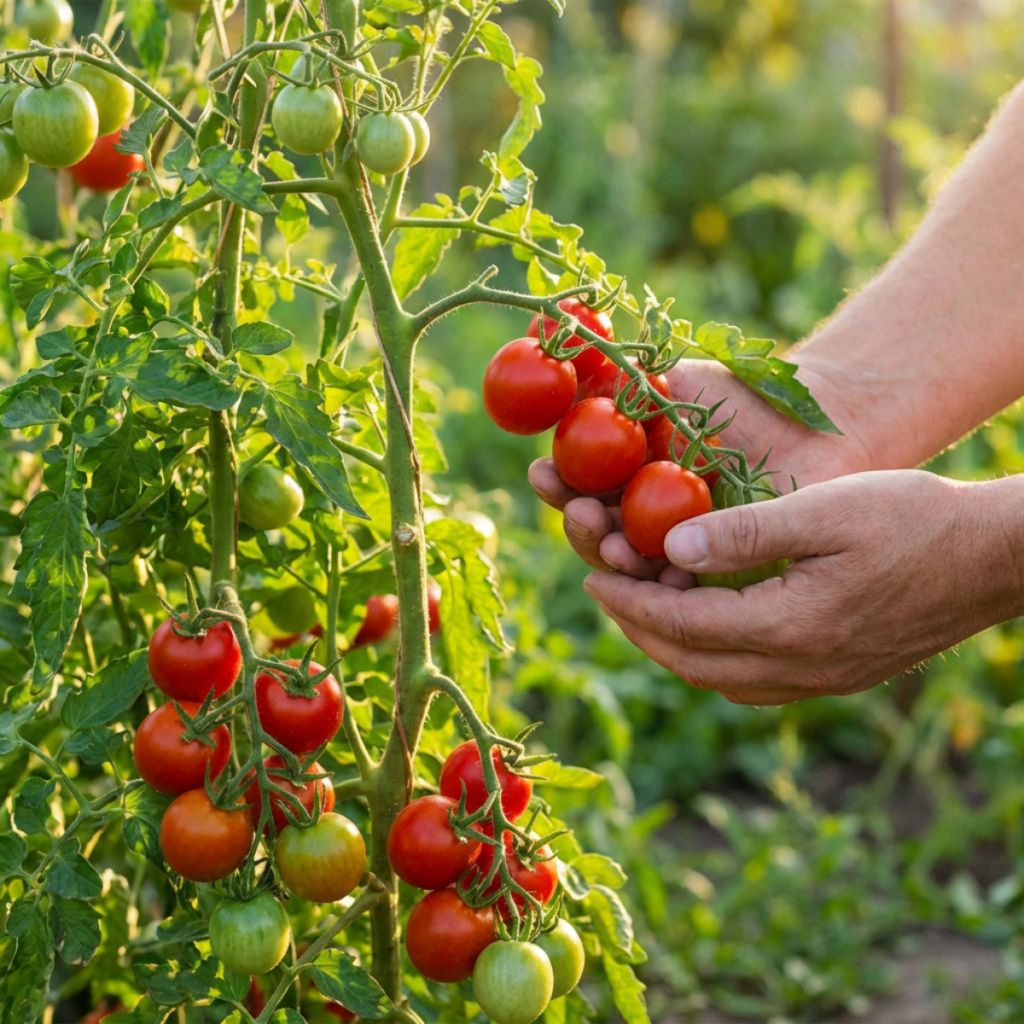

Welcome to the ultimate guide for caring for tomato plants! Tomatoes are a staple in many gardens and kitchens, but growing healthy and productive plants requires some attention and effort. In this article, we will provide you with tips and techniques for optimal tomato plant care, including selecting the right variety, providing optimal growing conditions, and implementing effective care practices. With this guide, you’ll be well on your way to growing thriving tomato plants and enjoying a bountiful harvest.
Select the Right Variety
When it comes to cultivating the perfect tomato plants, one of the most crucial steps is selecting the right variety. Tomatoes come in a diverse array of types, each with its own unique characteristics in terms of size, shape, color, and flavor. The two primary categories of tomato plants are determinate and indeterminate varieties. Determinate tomatoes, also known as bush tomatoes, are designed to grow to a specific height and produce fruit all at once. This makes them an ideal choice for container gardening and for individuals looking to do a lot of canning. On the other hand, indeterminate, or vining, tomatoes continue to grow and bear fruit over an extended period, making them a great option for those who desire a continuous harvest throughout the growing season.
In addition to the determinate and indeterminate types, there are also numerous cultivars within each category, ranging from classic beefsteak tomatoes to heirloom varieties with unique and complex flavors. When selecting the right variety for your garden, it’s important to consider factors such as the available growing space, the intended use of the tomatoes (fresh consumption, canning, or cooking), and the local climate. By carefully choosing the most suitable tomato variety for your specific needs, you can set the stage for a successful and abundant harvest.
Provide Optimal Growing Conditions
In order to ensure the health and productivity of your tomato plants, providing optimal growing conditions is absolutely essential. This includes not only selecting the right variety, as mentioned earlier, but also creating a suitable environment in which the plants can thrive. Tomatoes are well-known for their preference for warm temperatures, and it’s important to make sure that the nighttime temperatures in the growing area are consistently between 55°F (13°C) and 70°F (21°C), while the daytime temperatures are consistently between 70°F (21°C) and 85°F (29°C).
Furthermore, tomatoes thrive in locations with ample direct sunlight, so be sure to choose a spot in your garden that receives at least six to eight hours of sunlight daily. In addition to temperature and sunlight, the quality of the soil in which you plant your tomatoes is a critical factor in providing optimal growing conditions. Rich, well-draining soil with a slightly acidic pH is ideal for tomato plants, and incorporating organic matter such as compost or well-rotted manure can greatly improve the fertility and structure of the soil, creating an environment in which your tomato plants can flourish.
Plant in Well-Draining Fertile Soil
Planting your tomato plants in well-draining, fertile soil is a fundamental aspect of ensuring their overall health and productivity. Before planting, it’s important to prepare the soil by removing any rocks or debris and loosening it to a depth of at least 12 inches. This will enable the roots of the tomato plants to penetrate the soil easily and allows for proper aeration and drainage. Incorporating organic matter, such as aged compost or well-rotted manure, into the soil not only provides the essential nutrients that tomatoes need to grow and thrive, but also improves the soil’s structure and its capacity to retain moisture, creating a favorable environment for the plants’ root development.
When planting your tomatoes, be sure to space them adequately to allow for good air circulation and easy access for maintenance. Adequate spacing is particularly important in preventing the spread of diseases and ensuring that the plants have enough room to grow and develop. By taking the time to carefully select the right variety, provide optimal growing conditions, and plant your tomatoes in well-draining, fertile soil, you can establish a strong foundation for a successful and bountiful tomato harvest.
Give Them Plenty of Sunlight
Providing ample sunlight is acritical aspect of caring for tomato plants and ensuring their healthy growth and abundant fruit production. Tomato plants thrive in full sun, and in order to support robust growth and fruit development, it is essential for them to receive at least six to eight hours of direct sunlight each day. Inadequate sunlight can lead to spindly growth, poor flowering, and reduced fruit set, ultimately impacting the quantity and quality of the harvest.
When planning the placement of your tomato plants in the garden, be sure to choose a location that is relatively free from obstructions such as tall buildings or trees that may cast shade on the plants. Additionally, as the growing season progresses, it’s a good idea to regularly monitor the sunlight exposure of your plants and make any necessary adjustments to ensure that they are receiving the optimal amount of sunlight for healthy growth and fruit production.
By ensuring that your tomato plants receive plenty of sunlight and creating an environment that supports their natural growth and development, you can significantly enhance their overall health and maximize the potential yield of your tomato harvest.
Space and Plant Seedlings
Properly spacing and planting your tomato seedlings is a fundamental step in establishing healthy and productive plants. When transplanting your tomato seedlings into the garden or larger containers, it’s important to consider the specific growth habits of the varieties you are planting. Determinate varieties, which have a more compact growth habit, should be spaced about 18 inches apart, while indeterminate varieties, which have a vining growth habit, require more space and should be placed 24 to 36 inches apart to allow for adequate air circulation and access for maintenance.
When planting tomato seedlings, be sure to bury them deeper than they were growing in their original containers, leaving only the top few leaves exposed. This encourages the development of a strong and extensive root system, which is essential for the overall health and stability of the plants. Additionally, providing some form of support, such as stakes, cages, or trellises, for the tomato plants at the time of planting can help guide their growth and provide the necessary support as they mature and bear fruit.
Transplant Them Deeply
Transplanting your tomato seedlings deeply is a crucial practice that contributes to the establishment of a strong and resilient root system. When transplanting, be sure to bury the seedlings up to the first set of true leaves, as this encourages the formation of additional roots along the buried portion of the stem. The development of a robust root system is essential for the overall health and stability of the plants, as it enables them to efficiently uptake water and nutrients from the soil and provides a strong foundation for healthy growth and fruit production. By transplanting your tomato seedlings deeply, you can promote the establishment of strong and vigorous plants that are well-equipped to thrive in their growing environment.
Space Them Correctly
Ensuring that your tomato plants are spaced correctly is a critical consideration in promoting their health, preventing disease, and maximizing their productivity. Providing adequate space between the plants not only allows for good air circulation and access for maintenance, but it also reduces competition for resources such as light, water, and nutrients. For determinate varieties, it is recommended to space them about 18 inches apart, while indeterminate varieties should be spaced 24 to 36 inches apart to accommodate their vining growth habit. By maintaining proper spacing, you can create an environment that supports the healthy growth and development of your tomato plants, ultimately contributing to a successful and bountiful harvest.
Water Consistently
Consistent and adequate watering is essential for the overall health and productivity of tomato plants. However, it’s important to do so with care and attention to minimize the risk of disease and damage to the plants. Watering at the base of the plants, preferably in the morning, helps deliver moisture directly to the root zone while minimizing the exposure of the foliage to moisture, which can reduce the risk of fungal diseases. Additionally, it’s crucial to provide a consistent level of soil moisture, aiming for a depth of at least 1 inch per week, and adjusting based on rainfall and the specific moisture needs of the plants.
Employing a layer of organic mulch, such as straw or shredded leaves, around the base of the plants can help regulate soil moisture, suppress weed growth, and maintain a stable root environment. This not only helps conserve soil moisture and reduce the frequency of watering, but also contributes to the overall health and wellbeing of the tomato plants by creating a favorable and stable growing environment.
Avoid Overhead Watering
To minimize the risk of disease and damage to your tomato plants, it’s important to avoid overhead watering, which can lead to wet foliage and create conditions conducive to the development of fungal diseases. Instead, opt for methods such as drip irrigation or watering at the base of the plants to deliver moisture directly to the root zone, thereby minimizing the exposure of the foliage to excessive moisture. By employing targeted watering practices and avoiding overhead watering, you can effectively reduce the risk of disease and support the overall health and productivity of your tomato plants.
Use Mulch
Utilizing a layer of organic mulch around the base of your tomato plants is a valuable practice that offers a multitude of benefits. Mulch helps regulate soil moisture, suppresses weed growth, and maintains a stable root environment, contributing to the overall health and wellbeing of the plants. It also helps prevent soil erosion and reduces the risk of water splashing onto the foliage, which can help minimize the spread of soil-borne diseases. By incorporating a layer of organic mulch, you can effectively create a favorable and stable growing environment for your tomato plants, while also reducing the need for frequent watering and maintenance.
Fertilize Regularly
Regular and appropriate fertilization is a critical aspect of ensuring the optimal growth and fruit production of tomato plants. As heavy feeders, tomatoes benefit from consistent and balanced nutrition throughout the growing season. At the time of planting, it’s beneficial to incorporate a balanced, slow-release fertilizer into the soil, providing essential nutrients to support the initial growth and establishment of the plants. Once the plants begin to set fruit, transitioning to a fertilizer higher in potassium and phosphorus can help support vigorous fruit development and enhance the overall quality and flavor of the tomatoes.
It’s important to apply fertilizers according to the manufacturer’s instructions and to avoid over-fertilizing, as excessive nitrogen can lead to lush foliage growth at the expense of fruit production. By following a regular and balanced fertilization regimen, you can ensure that your tomato plants receive the essential nutrients they need to grow and thrive, ultimately supporting the development of healthy plants and a plentiful harvest.
Use Balanced Fertilizers
When selecting fertilizers for your tomato plants, opting for balanced formulations that provide a well-rounded mix of essential nutrients is key to supporting their overall health and productivity. A balanced fertilizer typically contains equal parts of nitrogen, phosphorus, and potassium, which are the primary macronutrients essential for plant growth and development. Additionally, choosing fertilizers that also contain micronutrients, such as iron, manganese, and zinc, can provide comprehensive support for the nutritional needs of the tomato plants, promoting their optimal growth and fruiting potential throughout the growing season.
Conclusion
In conclusion, caring for tomato plants requires attention to various factors such as selecting the right variety, providing optimal growing conditions, effective care practices, and managing pests and diseases. By following this ultimate guide, you can ensure healthy growth and a bountiful harvest of delicious tomatoes.