
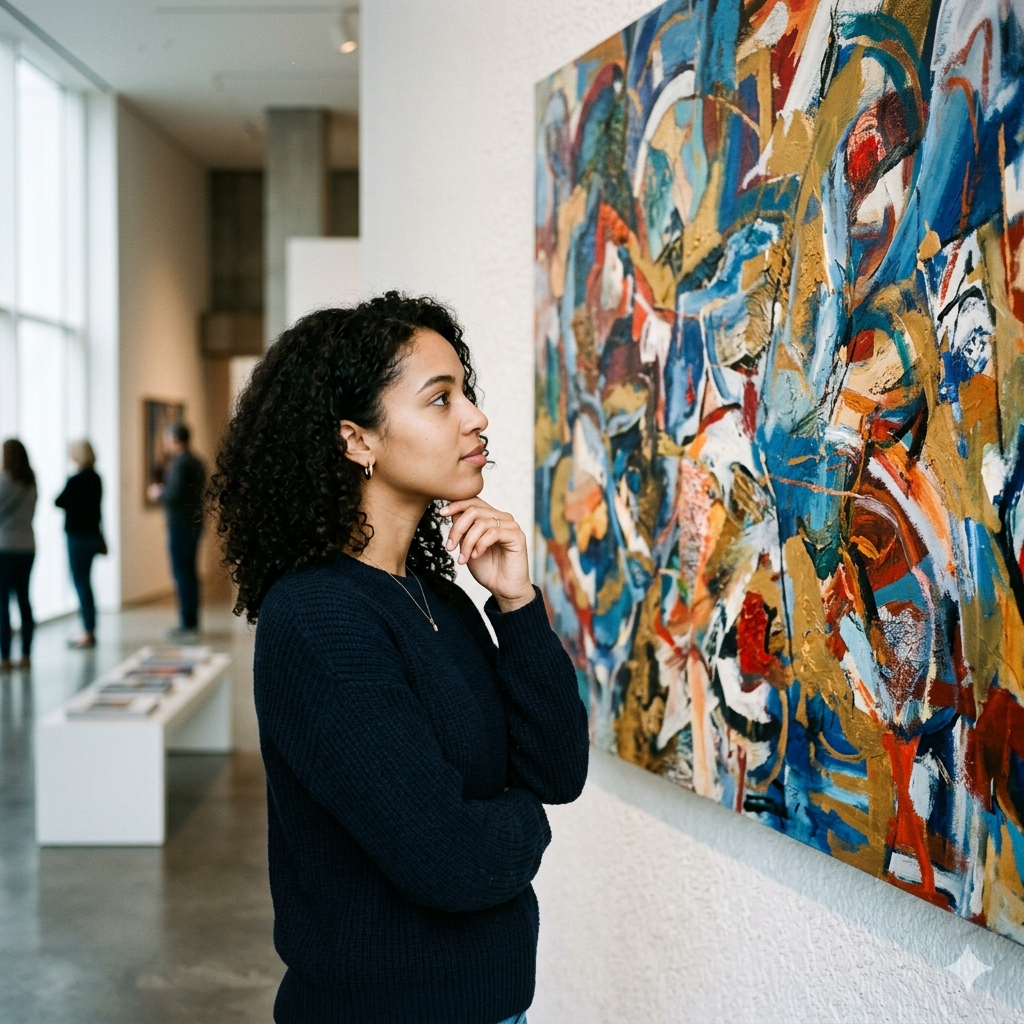

In the world of art, abstract art is a genre that often challenges and intrigues viewers. Its unconventional approach to representation allows for endless interpretations and encourages a deeper exploration of emotions and ideas. In this guide, we will delve into the origins, key movements, and unique characteristics of abstract art. We will also discuss how to approach and experience abstract art, as well as the importance of open-mindedness and exploration in gaining a deeper appreciation for this dynamic and thought-provoking art form.
The Origins of Abstract Art
Originating in the late 19th and early 20th centuries, abstract art emerged as a revolutionary departure from traditional artistic forms. This period was characterized by a fervent pursuit of innovation, with artists breaking free from conventional representation to explore new expressive possibilities. The cultural and intellectual climate of the time, marked by rapid advancements in science, technology, and philosophy, served as a catalyst for this artistic evolution. Artists sought to communicate a deeper, more profound vision of the world, transcending the mere depiction of objects and instead delving into the realms of emotion, perception, and the essence of existence.
The advent of movements such as Fauvism and Cubism played a pivotal role in shaping the abstract art movement, as artists like Henri Matisse and Pablo Picasso challenged the established norms of color, form, and perspective. Matisse’s vibrant, emotive works and Picasso’s innovative approach to representation laid the groundwork for the revolutionary shift towards abstraction. The emphasis shifted from capturing the physical appearance of subjects to expressing the artist’s inner emotions and ideas, paving the way for the diverse and multifaceted landscape of abstract art that we are familiar with today.
Key Movements
Several key movements have shaped the evolution of abstract art, each contributing distinct philosophies and visual languages to the rich tapestry of non-representational expression. One of the most influential movements was Abstract Expressionism, which emerged in the mid-20th century and emphasized the spontaneous, instinctive, and emotional aspects of creation. Artists like Jackson Pollock and Mark Rothko embodied this movement, using gestural brushwork and immersive color fields to evoke visceral responses and transcend the traditional boundaries of canvas and brush.
Another significant movement was Suprematism, founded by Kazimir Malevich, which sought to express the supremacy of pure artistic feeling over the depiction of objects. Malevich’s iconic “Black Square” epitomized the movement’s focus on non-objective art, asserting the primacy of abstract forms and colors as a means of conveying universal emotions and ideas. Additionally, the advent of Constructivism emphasized the intersection of art and social purpose, with artists like El Lissitzky and Alexander Rodchenko embracing geometric forms and bold compositions to champion a new visual language aligned with the ideals of the Russian Revolution.
What Makes It Unique?
One of the defining features of abstract art is its ability to transcend representational constraints and communicate complex emotions, experiences, and ideas through non-literal means. By liberating the artist from the constraints of traditional representation, abstract art creates a space for unfiltered expression and introspection. This departure from the familiar allows viewers to engage with art on a profoundly personal level, immersing themselves in the raw, unmediated emotions and conceptual depths conveyed by the artist. Through abstraction, the artist can distill the essence of their subject, inviting the audience to encounter the artwork through a lens unencumbered by preconceived notions and expectations.
Furthermore, the non-representational nature of abstract art opens up new avenues for interpretation, as each viewer brings their unique perceptions, emotions, and experiences to the artwork. This multiplicity of interpretations fosters a dynamic and deeply personal dialogue between the viewer and the art, enriching the experience and significance of each work. In essence, abstract art serves as a catalyst for introspection, encouraging viewers to explore their own emotions and challenge their preconceptions, ultimately leading to a more profound and intimate connection with the artwork.
How to Approach and Experience
Approaching abstract art is a deeply personal and subjective experience, inviting viewers to engage with the artwork on an emotional and intellectual level. When encountering an abstract painting, it is beneficial to approach it with an open mind, free from preconceived notions of representation and meaning. By allowing yourself to immerse in the artwork, you can begin to discern the emotional and conceptual undercurrents that permeate the composition. It can be valuable to observe how the various elements—such as color, line, and texture—interact and contribute to the overall impact of the piece, prompting self-reflection and contemplation.
Furthermore, embracing the unique language of abstract art involves granting yourself the freedom to interpret and respond to the artwork in a manner that resonates with your individual experiences and emotions. By delving into the artwork without the constraints of literal interpretation, you can uncover a myriad of personal and evocative connections, fostering a rich and meaningful encounter with the art. Additionally, seeking out educational resources, museum visits, and engaging with art communities can provide valuable insights and perspectives, enhancing your understanding and appreciation of abstract art.
Focusing on: Color, Line, Shape, Texture
Central to the experience of abstract art is the intricate interplay of fundamental artistic elements such as color, line, shape, and texture. Color, in abstract art, serves as a potent vehicle for conveying emotions, with vibrant palettes evoking passion and energy, while subdued tones elicit introspection and tranquility. The intentional manipulation of line, whether through bold strokes or intricate patterns, contributes to the artwork’s dynamic energy and visual language, shaping the viewer’s response and emotional engagement.
Likewise, the exploration of form and shape in abstract art allows artists to transcend the constraints of recognizable subjects, emphasizing the expressive potential of non-objective compositions. Through deliberate abstraction, artists can instill a sense of movement, rhythm, and balance within their works, inviting viewers to immerse themselves in the sensual and emotive qualities of the artwork. Additionally, the tactile dimension of texture adds a visceral and immersive quality to abstract art, inviting viewers to engage with the artwork on multiple sensory levels and fostering a deeper, more intuitive relationship with the piece.
Connecting Emotions
At the core of abstract art lies a profound capacity to connect with the viewer on an emotional and visceral level, transcending the boundaries of language and intellectual discourse. By delving into the emotive depths of abstraction, artists can convey universal sentiments, complex psychological states, and profound existential reflections, resonating with viewers in deeply personal and evocative ways. The emotive resonance of abstract art often stems from its ability to bypass the filters of conventional representation, immersing the viewer in a realm of raw, unmediated emotions and introspective contemplation.
Through the interplay of color, form, and conceptual underpinnings, abstract art has the power to elicit a vast spectrum of emotions, from elation and introspection to contemplation and catharsis. This emotional connectivity fosters a sense of intimacy and empathy between the viewer and the artwork, transcending cultural and linguistic barriers and creating a deeply universal and timeless form of expression. It is through this direct emotional communion that abstract art unveils its transformative and transcendent potential, inviting viewers to partake in a profound and intimate journey through the diverse landscapes of human experience and emotion.
Interpreting the Intent
When engaging with abstract art, discerning the artist’s intent and conceptual underpinnings becomes a pivotal aspect of the interpretative process, enriching the viewer’s comprehension and emotional resonance with the artwork. The artist’s motivations, philosophical explorations, and emotive impulses underlying the creation of the artwork offer crucial insights into the complex layers of meaning and intention embedded within the abstract composition. By delving into the artist’s context, influences, and creative process, viewers can unravel the nuanced and profound narratives woven into the fabric of the artwork, cultivating a more profound and enriched understanding of its significance.
Furthermore, the interpretative journey through abstract art entails a willingness to confront and engage with ambiguity, allowing for a diverse and dynamic range of interpretations to emerge. Each viewer, with their unique perspectives and emotional landscapes, contributes to the multifaceted dialogue surrounding the artwork, enriching its significance and relevance across diverse cultural and social contexts. By embracing the fluid and dynamic nature of abstraction, viewers can partake in a deeply personal and transformative encounter with the art, fostering a sense of openness, curiosity, and profound engagement with the creative realms of the artist’s intent.
Gaining New Perspectives
Engaging with abstract art provides a profound opportunity to gain new perspectives and insights into the multifaceted dimensions of human experience, perception, and creativity. Through the transcendent and introspective lens of abstraction, viewers can encounter a diverse tapestry of emotional landscapes, conceptual explorations, and philosophical musings, enriching their understanding of the profound depths of artistic expression. By embracing the radical departure from conventional representation, abstract art inspires viewers to expand their horizons and approach the realm of creativity with an open and inquisitive mind, fostering a continuous journey of self-discovery and intellectual enrichment.
Furthermore, the rich and boundless terrain of abstract art invites viewers to navigate uncharted realms of imagination and perception, igniting a sense of wonder, exploration, and profound curiosity. Through an active engagement with abstract art, viewers are empowered to expand their cognitive and emotional faculties, delving into the abstract and conceptual realms that underlie the artist’s intentions and philosophical musings. This transformative journey through the boundless vistas of abstraction not only enriches the viewer’s appreciation for the kaleidoscopic nature of human creativity but also nurtures a profound and enduring connection with the essence of artistic expression and the myriad dimensions of the human experience.
Open-Mindedness and Exploration
Embracing abstract art with open-mindedness and a spirit of exploration fosters a deeply enriching and transformative encounter with the creative realms of non-representational expression. The willingness to immerse oneself in the emotive and conceptual depths of abstract art never fails to cultivate a profound and deeply personalized connection with the artist’s intent and the emotive undercurrents that permeate the composition. By granting oneself the freedom to explore, interpret, and engage with abstract art without the constraints of preconceived notions, viewers can unearth a profound and limitless reservoir of creativity, introspection, and transformative emotion.
Through a fearless and inquisitive approach to abstract art, viewers embark on a journey of profound self-discovery and emotional exploration, delving into the uncharted territories of the creative psyche and uncovering the multifaceted dimensions of artistic expression. This unwavering commitment to open-mindedness and exploration not only fosters a deeply personal and subjective connection with the artwork but also nurtures a profound and enduring appreciation for the diverse and infinite realms of human creativity, inviting viewers to partake in a transformative and enriching communion with the kaleidoscopic landscape of abstract art.
By embracing the beauty and profound complexity of abstract art, individuals open themselves to a journey of limitless exploration, emotional introspection, and profound engagement with the limitless realms of artistic expression and human creativity.
Conclusion
It is clear that abstract art is a unique and constantly evolving genre that challenges traditional artistic norms and encourages viewers to interpret and appreciate art in new ways. By understanding its origins, key movements, and elements, and approaching it with an open mind, we can gain a deeper understanding and appreciation of the beauty and complexity of abstract art. So, let’s continue to explore and discover the diversity and creativity of this fascinating art form.