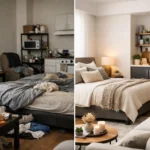

You may have the sofa, the bed, or the dining table you need, yet something about the room still feels temporary. If you keep asking, why does my room feel unfinished, the answer is rarely that you need to buy more furniture. More often, the room is missing a few of the quieter layers that make a space feel intentional, comfortable, and connected to the people living in it.
A finished room is not a showroom. It is a space where the practical pieces work, the eye has somewhere to rest, and small details make everyday life feel a little more cared for. The good news is that you can create that feeling gradually, without replacing everything you own.
Why Does My Room Feel Unfinished Even With Furniture?
Furniture handles the big jobs: sitting, sleeping, eating, and storage. But furniture alone can leave a room looking like a collection of individual purchases rather than a place with its own point of view.
Think of the room in layers. The foundation includes layout, large furniture, and a color direction. Then come the softening layers, such as rugs, curtains, lighting, and textiles. Finally, there are the personal layers: art, books, plants, and objects that make the room feel like yours. When one of these layers is missing, the whole space can feel a little bare.
It also helps to remember that unfinished does not always mean under-decorated. A room crowded with too many small items can feel just as unresolved as an empty one. The goal is balance, not filling every blank wall or tabletop.
1. Start With a Layout That Encourages Living
Before shopping for any finishing touches, look at how the furniture is arranged. A room often feels incomplete when the layout does not create a clear conversation area, walking path, or purpose.
In a living room, pull furniture away from the walls when space allows and aim the seating toward each other. Even a few inches can make the arrangement feel more deliberate. In a bedroom, make the bed the visual anchor and leave enough clear space to move around it comfortably.
If your room serves more than one purpose, define the zones. A small apartment living room might need a reading corner, a work spot, and a place to watch TV. A rug, floor lamp, narrow console, or even the direction of a chair can quietly signal where one activity ends and another begins.
2. Give the Room a Clear Focal Point
Every room benefits from one feature that catches the eye first. Without it, your gaze may drift around the room without landing anywhere, which can create that vague unfinished feeling.
A focal point does not need to be dramatic or expensive. In a living room, it may be the fireplace, a large piece of art, or a sofa wall with a thoughtfully arranged gallery. In a bedroom, the bed and headboard usually do the job. In a dining room, a light fixture above the table can become the natural center of attention.
Choose one main moment, then let the rest of the room support it. If every surface is trying to be the star, the room can feel busy instead of polished.
3. Add a Rug That Connects the Furniture
An area rug is one of the most common missing pieces in a room that feels unfinished. It grounds the furniture and visually connects separate items into one inviting arrangement.
Size matters more than many people realize. In a living room, a too-small rug can make even nice furniture look disconnected. Ideally, at least the front legs of your sofa and chairs should sit on the rug. In a bedroom, choose a rug large enough to extend beyond the sides and foot of the bed, so your feet land on something soft in the morning.
If a large rug is outside the budget, consider a simple neutral base layered with a smaller vintage-inspired or patterned rug. The look can feel warm and collected, while giving you flexibility to change the top layer later.
4. Treat Window Coverings as Part of the Design
Bare windows can be beautiful in a private, light-filled space, but they often leave a room feeling exposed or unfinished. Curtains, woven shades, or simple blinds add softness, privacy, and a sense of height.
For the most polished look, hang curtain rods wider than the window frame and closer to the ceiling than the top of the window. Let panels reach the floor or come within a half-inch of it. This small adjustment makes ceilings appear taller and gives the room a more finished silhouette.
Not every room needs heavy drapes. A kitchen may only need a tailored Roman shade, while a rental bedroom can benefit from affordable curtain panels that bring in color or texture. Choose what suits the room’s light and your daily routine.
5. Use More Than One Kind of Lighting
A single overhead light can make a room functional, but it rarely makes it feel cozy. Finished rooms usually have lighting at different levels: overhead for general brightness, table or floor lamps for warmth, and task lighting where you read, cook, work, or get ready.
Try turning on a lamp in the evening instead of relying only on the ceiling fixture. The difference is immediate. Warm bulbs around 2700K tend to create a relaxed, homey glow in living rooms and bedrooms, while brighter task lighting may make more sense in a workspace or kitchen.
This is also a chance to add personality. A ceramic lamp, a pleated shade, or a slim floor lamp can bring shape and texture to a room without taking up much visual space.
6. Bring in Texture, Not Just More Color
When a room has matching smooth surfaces everywhere, it can look flat even if the color palette is lovely. Texture is what gives a room depth and makes it feel inviting enough to settle into.
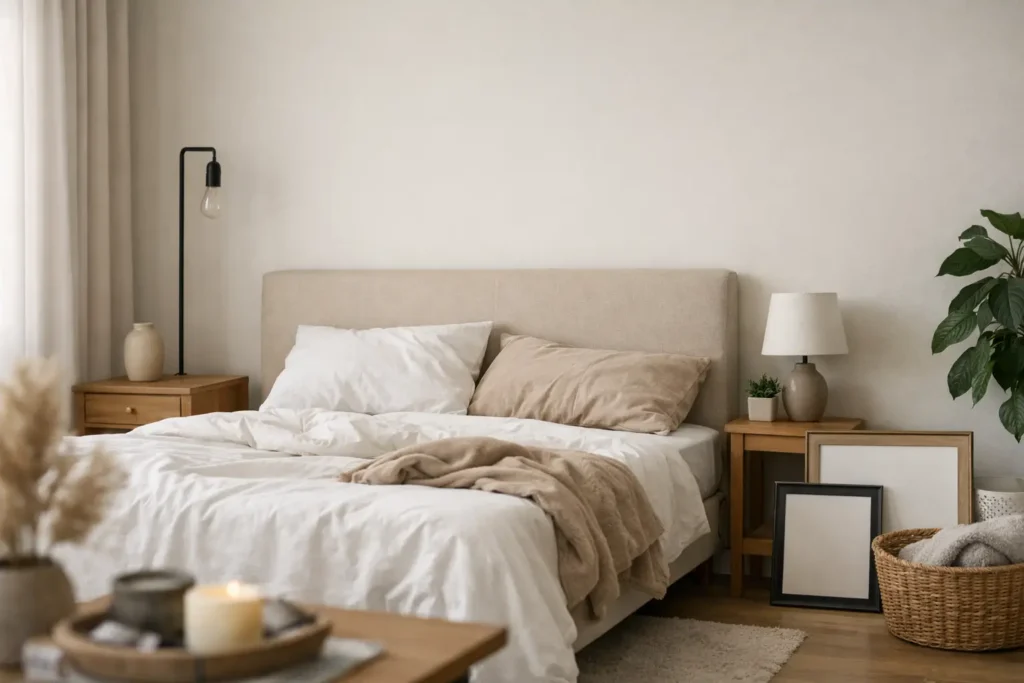
Mix materials that feel good together: a woven basket beside a wood console, linen curtains near a leather chair, a knit throw on a tailored sofa, or ceramic pieces on a painted shelf. You do not need all of these at once. A few contrasts are enough to create dimension.
If you prefer a neutral home, texture is especially useful. It keeps a cream, tan, gray, or white room from feeling bland while preserving the calm look you love.
7. Style the Empty Walls With Purpose
Empty walls are not automatically a problem. A little breathing room can make a home feel restful. But a large blank wall directly above a sofa, bed, or dining table may be the reason the space feels unfinished.
Start with scale. One substantial piece of art can look more confident than several tiny frames scattered across a wide wall. If you love a gallery wall, lay the arrangement out on the floor first and keep the frames connected by a shared color, material, or subject.
Personal art counts. Framed family photos, a favorite travel print, a child’s drawing displayed thoughtfully, or a thrifted landscape can make a home feel more meaningful than generic decor ever could. The best choice is one you will enjoy seeing every day.
8. Edit Your Surfaces, Then Add One Personal Layer
Coffee tables, nightstands, shelves, and consoles can look unfinished when they are completely empty. They can also look unfinished when they become catch-all zones for mail, chargers, and random clutter. The answer is a small amount of styling with room left over for real life.
On a coffee table, try a tray, a stack of books, and one low object such as a candle or small bowl. On a nightstand, a lamp and a book may be all you need, with a dish for jewelry or hand cream if it serves your routine. Shelves look more natural when you mix books, useful storage, and a few objects with different heights.
Aim for items that say something about your household rather than items chosen only to fill space. A bowl you use often, a favorite cookbook, or a framed photo adds the kind of personality that makes a room feel settled.
9. Include Something Living or Organic
Rooms filled only with straight lines and manufactured finishes can feel a little stiff. A leafy plant, a vase of grocery-store flowers, branches clipped from the yard, or a bowl of fruit brings in softness and movement.
If you do not have much natural light or you tend to forget watering, there is no shame in choosing a convincing faux plant. Place it where greenery would naturally make sense, such as beside a chair, near a window, or on a high shelf. The goal is not perfection. It is adding a touch of life to the room.
Finish the Room in the Order That Feels Affordable
You do not need to tackle every idea at once. Start with what will have the biggest visual impact for your particular room. For many homes, that means a better rug size, curtains, and two sources of warm lighting. For another room, it may be rearranging the furniture and hanging art you already own.
Give yourself permission to live with the changes for a week before buying the next thing. Notice where you naturally sit, what surface collects clutter, and what corner still feels forgotten. A home you love is usually built through those small observations, one practical and personal choice at a time.
The Biggest Mistake People Make When Trying to “Finish” a Room
Many people assume an unfinished room simply needs more decor. In reality, adding more items before solving the basics often creates a space that feels cluttered instead of complete.
One pattern you’ll notice in well-designed homes is that they rarely rely on having more things. Instead, they make better use of the things already there. A balanced layout, proper lighting, thoughtfully scaled rugs, and a few meaningful accessories usually have a much bigger impact than filling every empty corner.
If you’re unsure what your room needs next, avoid buying several decorative pieces at once. Change one element, live with it for a few days, and then decide what still feels missing. Looking at your home with fresh eyes often leads to better decisions—and saves money in the long run.
FAQ
Can a room feel unfinished even if it’s fully furnished?
Yes. Furniture provides function, but rugs, lighting, artwork, window treatments, and personal touches help create a cohesive and comfortable space.
What’s the fastest way to make a room feel more complete?
For many rooms, adding a properly sized rug, improving the lighting, and hanging curtains higher than the window frame creates the biggest visual difference.
How do I know if I’m adding too much decor?
If every surface feels filled or your eye doesn’t naturally settle on one focal point, it’s usually a sign to remove a few items rather than add more.
Do all rooms need wall art?
Not necessarily. Some blank space helps a room feel calm. Focus on walls above major furniture pieces, where artwork often provides balance and visual weight.
Final Thoughts From Experience
One thing I’ve noticed is that the rooms people love most are rarely the ones that were finished in a single shopping trip. They evolve over time as furniture is rearranged, artwork finds its place, and everyday objects become part of the design.
When a room feels unfinished, it’s tempting to think the solution is buying something new. More often, though, the biggest improvements come from stepping back and looking at how the space works. Better lighting, a properly sized rug, moving a chair a few feet, or finally hanging the artwork that’s been sitting in a closet can completely change how a room feels.
If I could offer just one piece of advice, it would be this: don’t try to decorate every empty surface. Instead, focus on creating a room that supports the way you actually live. The spaces that feel the most complete aren’t necessarily the most decorated—they’re the ones where every piece has a purpose and every layer reflects the people who live there.
When you approach decorating one thoughtful improvement at a time, your home naturally becomes more comfortable, more functional, and ultimately more personal. That’s usually what turns a room from “almost finished” into one you’ll genuinely enjoy spending time in.