
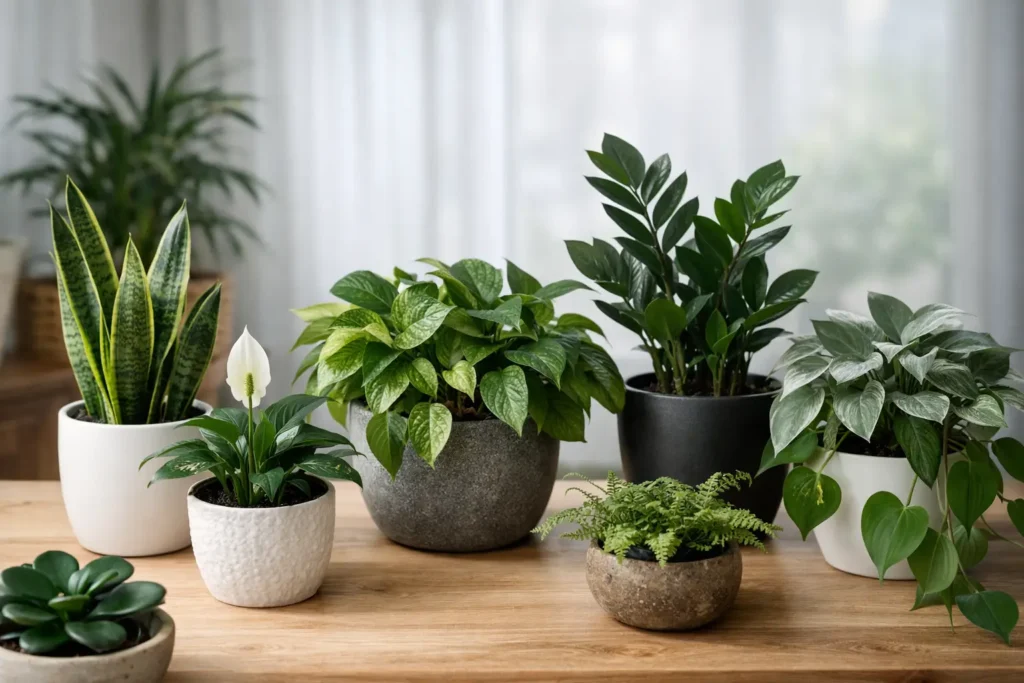

Some rooms just never get that bright, cheerful sunshine you wish they had. Maybe it’s a north-facing apartment, a dim hallway, or that awkward bathroom corner that looks better with greenery but barely sees daylight. The good news is that the best indoor plants low light spaces can handle are not sad compromise plants. Many of them are beautiful, forgiving, and surprisingly stylish.
If you’ve ever brought home a plant that looked great for two weeks and then slowly gave up in a dark corner, the problem may not have been your care routine. It may have been the wrong plant for the room. Choosing varieties that naturally tolerate lower light makes plant decorating feel easier, less wasteful, and far more rewarding.
What low light actually means indoors
Low light does not mean no light. That’s the part that trips people up.
In most homes, low light means a space that is a few feet away from a window, a room with filtered light for part of the day, or an area with only gentle indirect light. If you can comfortably read there during the day without turning on a lamp, there is probably enough natural light for certain low-light plants. If the room feels cave-like all day, even tough plants may struggle unless you add a grow light.
That distinction matters because many plants labeled “low light” are really “lowER light” plants. They tolerate less than sun-loving varieties, but they still need some natural or supplemental light to stay healthy over time.
12 best indoor plants for low light
Snake plant
Snake plant is often the first recommendation for dim rooms for good reason. It handles neglect well, has a clean architectural shape, and fits almost any decor style from modern to cozy traditional. It also does not mind drying out between waterings, which is helpful if you tend to forget about your plants for a week or two.
The trade-off is that in very low light, growth slows a lot. It may survive, but it will not do much. Think of it as dependable, not dramatic.
ZZ plant
ZZ plant is one of the easiest choices for beginners. Its glossy leaves look polished and expensive, but the plant itself is wonderfully unfussy. It tolerates low light, dry indoor air, and occasional missed watering better than most houseplants.
This is a strong option for offices, bedrooms, and living rooms that need a little life without a lot of maintenance. Just be careful not to overwater it, because that is where people usually run into trouble.
Pothos
If you love a trailing plant on a shelf or bookcase, pothos is hard to beat. It grows nicely in low to medium light and gives that soft, lived-in look that makes a room feel warmer right away.
In lower light, variegated pothos may lose some of its contrast and turn greener. That is not necessarily bad. In fact, the fuller green look can be beautiful in cozy spaces.
Heartleaf philodendron
Heartleaf philodendron has a relaxed, graceful shape that works especially well in apartments and smaller rooms. The vines drape nicely, the leaves are charming without being fussy, and it adapts well to average indoor conditions.
Compared with pothos, it often has a slightly softer, more delicate look. If your style leans casual and comfortable, this one fits right in.
Cast iron plant
The name tells you a lot. Cast iron plant is known for tolerating less-than-perfect conditions, including low light and inconsistent care. Its dark green leaves are simple and elegant, making it a good fit if you want greenery that blends into a calm, understated room.
It is slower growing than some other picks, so this is not the plant for instant fullness. But if you want steady and reliable, it earns its place.
Peace lily
Peace lily brings a little more softness and polish than some tougher low-light plants. Its leaves are glossy and lush, and when conditions are right, it may produce white blooms that brighten a shaded room.
It is a bit more communicative than other options, which can actually help beginners. When it needs water, it droops noticeably. The only catch is that peace lily likes consistent moisture more than plants like snake plant or ZZ plant do.
Chinese evergreen
Chinese evergreen is one of the best indoor plants for low light if you want foliage with more personality. Many varieties have patterned leaves in shades of green, silver, or even pinkish tones, which can add interest without needing flowers.
This is a great choice if your room feels flat and needs color variation. Just know that the more colorful varieties usually prefer a bit more indirect light than the deep green ones.
Parlor palm
Parlor palm has that classic indoor plant look people love, but it is more adaptable than many other palms. It can handle lower light and has an airy shape that softens corners beautifully.
If you want a plant that makes a room feel relaxed and collected, this is a lovely option. It does best when kept evenly moist but not soggy, and it appreciates average household humidity.
Spider plant
Spider plant is cheerful, easygoing, and a smart pick for shelves, plant stands, and hanging baskets. It can tolerate lower light, though it usually grows best in bright indirect conditions.
That means it is a flexible choice if your space is not deeply dark but definitely not sunny. If your spider plant looks pale or stops producing baby plants, it may want a brighter spot.
Dracaena
Dracaena comes in several varieties, and many of them do well in lower light. These plants are excellent if you like upright structure but want something softer than a snake plant.
They fit nicely in bedrooms and home offices because they have presence without looking bulky. Like several low-light favorites, they prefer being slightly underwatered rather than overwatered.
Monstera deliciosa
Monstera is often treated like a bright-light plant, but it can adapt to medium and somewhat lower indirect light better than people expect. If your room gets gentle daylight for much of the day, monstera may still do well.
The catch is that in lower light, you may get slower growth and fewer dramatic leaf splits. So yes, it can work, but this is an “it depends” plant rather than the safest true low-light pick.
Lucky bamboo
Lucky bamboo is a simple way to add greenery to desks, bathrooms, and small shelves. It handles lower light well and has a clean, tidy look that works in minimal spaces.
It is especially useful if you want a compact plant that does not overwhelm a countertop or vanity. Just keep an eye on water quality and container cleanliness if you grow it in water.
How to choose the right plant for your space
The best plant is not always the prettiest one at the store. It is the one that matches your room and your habits.
If you forget to water, go with snake plant, ZZ plant, or cast iron plant. If you want a trailing look for a shelf, pothos or heartleaf philodendron makes more sense. If your goal is to fill an empty floor corner, parlor palm, dracaena, or a larger peace lily may create more visual balance.
It also helps to think about pets and kids. Some common houseplants can be toxic if chewed, so placement matters. A high shelf, plant stand, or hanging planter may be the better route in busy family homes.
Styling low-light plants so they actually improve the room
A good plant does more than survive. It helps the room feel finished.
In living rooms, taller plants like dracaena or parlor palm work well beside a media console, reading chair, or empty corner. In bedrooms, softer shapes like heartleaf philodendron or peace lily can make the space feel more restful. In bathrooms, lucky bamboo and pothos often work well if there is at least some natural light.
For small spaces, keep the planter simple and let the leaves do the work. A low-light plant in a textured ceramic pot can add warmth to a bookshelf, entry table, or kitchen nook without making things feel cluttered. Everyday Home Style readers often want decor that feels useful as well as pretty, and plants do both when they are placed with intention.
Common mistakes with the best indoor plants low light rooms can support
The biggest mistake is overwatering. Low light means slower growth, and slower growth means the soil stays wet longer. When people water on a fixed schedule instead of checking the soil, roots suffer.
Another mistake is expecting low-light plants to grow fast. Most of these plants are steady, not speedy. If your snake plant or ZZ plant seems almost unchanged for months, that can be completely normal.
Finally, do not tuck a plant into the darkest possible corner and hope for the best. Even the toughest varieties need at least some usable light. If you love the look of plants in a dim area, rotating them closer to a window every so often or adding a small grow light can make a real difference.
A low-light room does not have to stay plain or plant-free. With the right choices, you can bring in greenery that feels easy, natural, and genuinely suited to the way you live – which is usually what makes a home feel more beautiful in the first place.
Final Thoughts From Experience
After years of decorating and organizing homes, I’ve noticed that one of the biggest misconceptions about houseplants is the idea that every room needs bright, sunny windows to enjoy greenery. In reality, many of the most comfortable and inviting homes make smart use of plants that naturally adapt to lower-light conditions.
What often determines success isn’t how much plant care knowledge you have—it’s choosing plants that match the environment you’re working with. A healthy ZZ plant or snake plant in a dim corner will always look better than a high-maintenance plant that constantly struggles to get enough light. That’s why I always recommend starting with plants that fit your space first, rather than choosing a plant and trying to force the room to accommodate it.
I’ve also found that homeowners tend to overcomplicate indoor plant care. In low-light rooms, less is often more. Most of the plants on this list prefer patience over constant attention. Watering only when needed, providing consistent conditions, and setting realistic expectations for growth usually leads to healthier plants and fewer frustrations.
If you’re new to houseplants, start with one or two dependable varieties such as a snake plant, ZZ plant, or pothos. Spend a few weeks observing how they respond to your home before adding more. You’ll quickly learn which locations work best and which plants suit your lifestyle.
Ultimately, the best indoor plants for low-light spaces do more than fill an empty corner. They add texture, warmth, and a sense of life that makes a room feel more welcoming. When you choose the right plant for the right place, indoor greenery becomes one of the easiest and most affordable ways to create a home that feels both beautiful and lived-in.
Quick Tip
If a low-light plant seems healthy but isn’t growing much, don’t assume something is wrong. Many low-light houseplants naturally grow more slowly than sun-loving varieties. Focus on healthy leaves and stable growth rather than rapid growth—the slowest-growing plants are often the easiest to maintain over the long term.
“In smaller apartments, I’ve found that homeowners often place plants in the darkest corner of the room because that’s where they want greenery the most. Unfortunately, that’s usually where even low-light plants struggle. Moving a plant just a few feet closer to a window often makes a noticeable difference over time.

Pingback: How to Decorate Above Kitchen Cabinets - everydayhomestyle.io