

Finding your personal decorating style sounds simple in theory, but in practice, it’s one of the biggest challenges homeowners face. Most people don’t struggle because they lack taste. They struggle because they’ve been exposed to too many conflicting trends, social media aesthetics, and unrealistic “perfect home” images that don’t reflect how real people actually live.
One mistake I often see is homeowners trying to copy an entire Pinterest or Instagram aesthetic without considering the architecture of their home, their lifestyle, or even their daily habits. The result usually looks disconnected, forced, or quickly outdated.
From a design perspective, your decorating style should not be treated as a trend label. It should be a reflection of how you want your home to function, feel, and support your life. In my experience working with residential spaces, the most successful interiors are rarely the most expensive or trend-driven. They are the ones that feel coherent, intentional, and deeply personal.
If you’ve ever felt overwhelmed by decorating decisions, this guide will help you identify your personal decorating style in a practical and realistic way — without wasting money on costly mistakes or temporary trends.
Why Most People Struggle to Define Their Decorating Style
One of the biggest misconceptions in home decor is the idea that you must fit perfectly into a single category like “modern farmhouse,” “minimalist,” or “boho.” In reality, most well-designed homes combine influences from several styles.
The problem is that online content often oversimplifies decorating into labels. Real homes are more nuanced.
In my experience, people usually struggle with decorating style for three main reasons:
They Focus on Furniture Before Mood
Many homeowners start shopping too early. They buy a sofa, rug, or dining table before understanding the overall feeling they want the home to create.
That approach almost always leads to inconsistent spaces.
A better starting point is asking questions like:
- Do you want your home to feel calm or energetic?
- Formal or relaxed?
- Layered and cozy or minimal and open?
- Bright and airy or warm and intimate?
These emotional qualities matter more than style labels.
They Ignore Their Home’s Architecture
From a design perspective, architecture should guide decorating decisions. A sleek ultra-modern interior inside a traditional colonial home can feel visually disconnected if not handled carefully.
That doesn’t mean you cannot mix styles. It means the transition must feel intentional.
For example:
- Mid-century furniture often works beautifully in ranch-style homes.
- Organic modern interiors complement contemporary architecture.
- Traditional homes usually benefit from warmer materials and layered textures.
When the decor respects the architectural language of the house, the space feels more natural and timeless.
They Decorate for Trends Instead of Daily Life
One mistake I often see is homeowners designing spaces around social media aesthetics instead of real functionality.
A white boucle sofa may look beautiful online, but it may not be practical for a family with children, pets, or heavy daily use.
The best decorating style is one you can actually live with comfortably.
Start by Understanding How You Live
Before identifying a decorating style, evaluate your lifestyle honestly.
Professional designers do this automatically because functionality always comes before aesthetics.
Ask yourself:
- How do you spend most of your time at home?
- Do you entertain frequently?
- Do you work from home?
- Do you prefer low-maintenance materials?
- Is comfort more important than visual impact?
- Do you need flexible spaces for children or pets?
Your answers should influence every design decision.
For example, someone who hosts dinner parties regularly may prioritize layered lighting, durable dining furniture, and conversation-focused layouts. Meanwhile, someone who values relaxation may lean toward softer textures, warm lighting, and more casual furniture arrangements.
In my experience, decorating becomes significantly easier once homeowners stop chasing an identity and start designing around how they actually live.
Identify the Visual Patterns You Naturally Gravitate Toward
One practical exercise I often recommend is creating a collection of interiors you genuinely love — not just spaces that seem trendy.
Save 20 to 30 images and then analyze them critically.
Most people start noticing patterns quickly:
- Similar color palettes
- Repeated materials
- Consistent furniture shapes
- Lighting preferences
- Common architectural details
This process is far more useful than taking an online “What’s Your Style?” quiz.
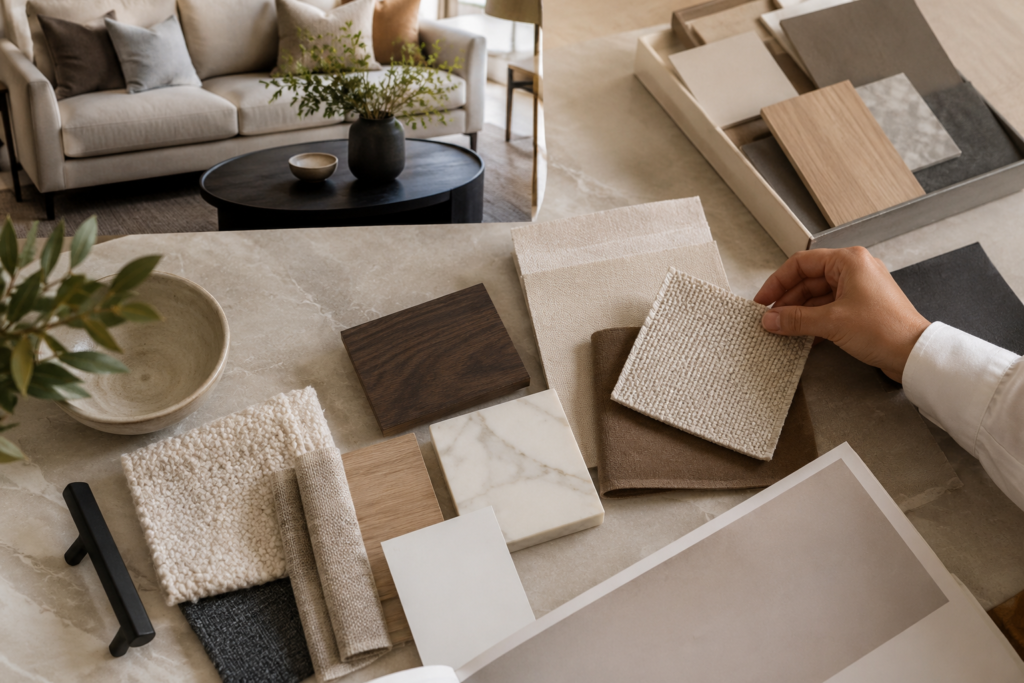
Look for Material Preferences
Materials often reveal style preferences more accurately than furniture.
For example:
- Natural wood, linen, and stone often point toward organic or Scandinavian-inspired interiors.
- Dark metals and exposed materials may suggest industrial influences.
- Rich woods and detailed millwork often indicate traditional preferences.
- Clean surfaces and minimal contrast may reflect contemporary or minimalist tastes.
From a design perspective, materials create emotional response more powerfully than decorative accessories.
Pay Attention to Shape and Proportion
Some people naturally prefer:
- Curved furniture
- Straight architectural lines
- Symmetry
- Open layouts
- Layered textures
- Minimal visual clutter
These preferences help define decorating style more than isolated purchases.
Understanding the Most Common Decorating Styles
You do not need to memorize design terminology, but understanding broad style categories can help clarify your direction.
Modern
Modern interiors typically emphasize:
- Clean lines
- Minimal ornamentation
- Functional layouts
- Neutral palettes
- Simple forms
However, true modern design is not cold or empty when done correctly. The best modern spaces balance simplicity with warmth through texture and material selection.
Transitional
Transitional design combines traditional and contemporary elements.
This is one of the most adaptable decorating styles because it allows flexibility without feeling overly trendy.
In my experience, many homeowners naturally lean transitional even if they don’t realize it.
Scandinavian
Scandinavian interiors prioritize:
- Simplicity
- Functionality
- Natural light
- Soft textures
- Light wood tones
This style works especially well in smaller homes because it visually reduces clutter and creates openness.
Organic Modern
Organic modern design has become increasingly popular because it combines clean contemporary lines with natural warmth.
Key characteristics include:
- Earthy textures
- Warm neutrals
- Natural stone
- Wood accents
- Soft minimalism
When done properly, this style feels sophisticated without becoming sterile.
Traditional
Traditional interiors emphasize:
- Symmetry
- Rich textures
- Layered furnishings
- Detailed craftsmanship
- Timeless proportions
Traditional spaces often age well because they rely less on trends and more on classic composition.
Common Mistakes When Trying to Find Your Decorating Style
Mistake #1: Buying Everything at Once
One mistake I often see is homeowners rushing to complete an entire room immediately.
Professionally designed spaces evolve over time. Layering gradually usually creates more authentic and balanced interiors.
How to fix it:
- Start with foundational pieces
- Live in the space first
- Add accessories slowly
- Adjust based on functionality
Mistake #2: Mixing Too Many Competing Styles
Eclectic design can work beautifully, but random combinations usually create visual confusion.
For example, combining ultra-modern furniture, rustic farmhouse decor, glam lighting, and industrial finishes in one room often feels chaotic.
How to fix it:
- Choose one dominant style
- Add secondary influences carefully
- Repeat colors and materials consistently
Mistake #3: Prioritizing Aesthetics Over Comfort
A room that looks beautiful but feels uncomfortable ultimately fails.
From a residential design perspective, comfort is not optional. It is part of good design.
How to fix it:
- Test furniture before buying
- Consider circulation and movement
- Choose practical materials
- Balance visual appeal with usability
Mistake #4: Following Trends Too Aggressively
Trends are useful for inspiration, but they should not completely define your home.
In my experience, homeowners who chase trends constantly end up redecorating more often and spending significantly more money.
How to fix it:
- Invest in timeless foundational pieces
- Use trends through smaller accessories
- Focus on longevity instead of novelty
When a Decorating Style Works — And When It Doesn’t
Professional design is not about following rules blindly. It’s about understanding context.
Minimalism Works When:
- The architecture supports openness
- Storage is carefully planned
- Materials add warmth
- The homeowner values simplicity
Minimalism Often Fails When:
- The space lacks texture
- The home feels emotionally cold
- Functionality is sacrificed
- Families need flexible storage and durability
Farmhouse Style Works When:
- It feels authentic to the architecture
- Natural materials are used thoughtfully
- The space maintains balance and restraint
Farmhouse Style Often Fails When:
- Decorative signs overwhelm the space
- Trend-driven elements feel forced
- Too many distressed finishes create visual fatigue
Dark Interiors Work When:
- Lighting is layered properly
- The room receives natural light
- Materials create depth and contrast
Dark Interiors Often Fail When:
- Lighting is insufficient
- Small rooms become visually heavy
- Finishes absorb too much light
Critical thinking is what separates professional design from trend imitation.
Practical Tips to Discover Your Personal Decorating Style
Start With One Room
Do not try to redesign your entire house at once.
In my experience, beginning with the living room or bedroom helps establish a visual direction that can later guide the rest of the home.
Build Around Permanent Elements
Always consider:
- Flooring
- Cabinetry
- Architectural details
- Natural lighting
- Ceiling height
These fixed elements should influence decorating choices.
Create a Color Foundation First
Before shopping for furniture, establish a consistent color palette.
A balanced palette usually includes:
- Base neutral
- Secondary tone
- Accent color
- Natural texture variation
This prevents random purchases that clash later.
Prioritize Lighting
Lighting dramatically changes how a decorating style feels.
One mistake I often see is homeowners relying only on overhead lighting.
Instead, combine:
- Ambient lighting
- Task lighting
- Accent lighting
This creates warmth and depth.
Edit Ruthlessly
Professional interiors are usually defined by what is intentionally removed.
Too many accessories, colors, or decorative objects create visual noise.
From a design perspective, restraint often creates stronger results than excess decoration.
Final Thoughts From Experience
Finding your personal decorating style is less about discovering a label and more about understanding yourself, your habits, and the atmosphere you want your home to create.
In my experience, the most successful homes are not the trendiest ones. They are the spaces that feel natural, functional, and emotionally comfortable over time.
A well-designed home should support daily life, not complicate it.
That means your decorating style should evolve from practical decisions, architectural awareness, and personal preferences — not pressure from social media trends or unrealistic expectations.
Good interiors rarely happen from copying a single aesthetic perfectly. They come from layering thoughtful decisions gradually and intentionally.
When homeowners stop trying to impress others and start designing around real life, the results almost always feel more timeless, personal, and authentic.
About the Author
Fher is an architect specializing in residential design and space optimization. With hands-on experience improving how homes function and feel, he shares practical insights to help homeowners create spaces that are both beautiful and livable.

Pingback: 11 Common Decorating Mistakes to Avoid - everydayhomestyle.io
Pingback: How to Style Open Shelves Without Clutter - everydayhomestyle.io
Pingback: Peel and Stick Wallpaper Review: Worth It? - everydayhomestyle.io