
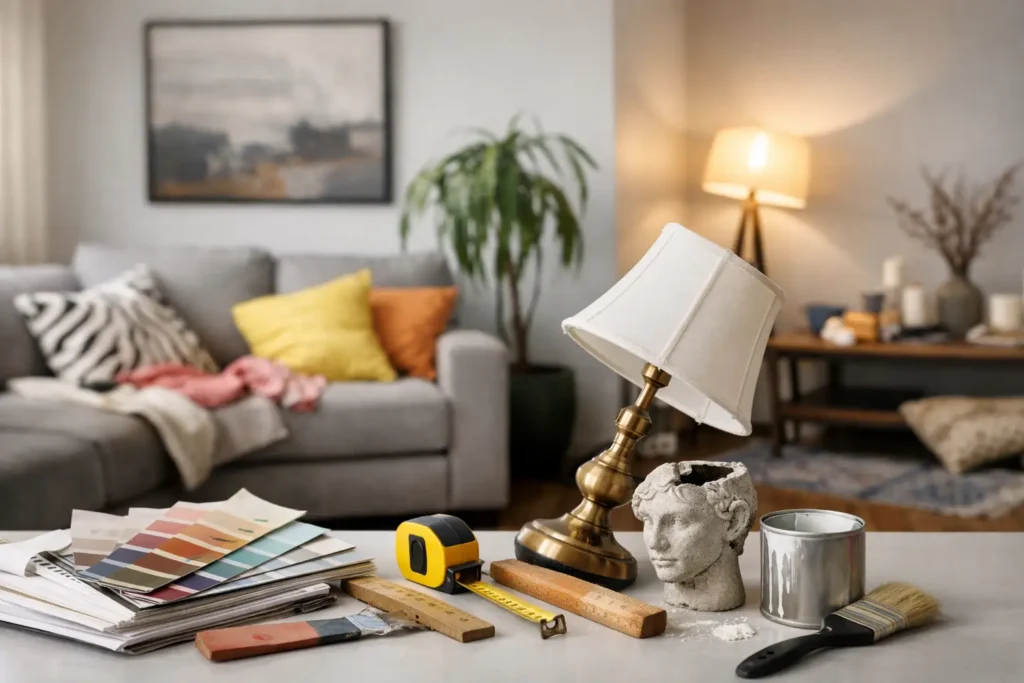

You know the feeling – you buy the rug, hang the art, fluff the pillows, and somehow the room still feels off. Usually, it is not because you need a bigger budget or better taste. It is because a few common decorating mistakes to avoid can quietly throw off the whole space, even when each individual piece looks nice on its own.
The good news is that most decorating problems are fixable. A home does not need to look perfect to feel pulled together, but it does help when scale, layout, color, and function are working with you instead of against you. If your living room feels awkward, your bedroom feels unfinished, or your entryway never quite looks welcoming, one of these mistakes may be the reason.
Common decorating mistakes to avoid first
Some design choices create bigger ripple effects than others. If you start by correcting the issues below, the rest of the room usually gets much easier to style.
1. Choosing pieces that are the wrong size
This is one of the most common decorating mistakes to avoid because size affects everything. A rug that is too small can make furniture look like it is floating. A coffee table that is too bulky can choke the flow of the room. Tiny art on a large wall often reads as accidental rather than intentional.
Before buying anything, measure your space and compare it to the item dimensions. In living rooms, rugs usually work best when at least the front legs of the furniture sit on them. In dining rooms, chairs should still fit on the rug when pulled out. On walls, art should feel connected to the furniture below it rather than scattered too high or too small.
Bigger is not always better, but undersized pieces often make a room feel less finished than it really is.
2. Pushing all the furniture against the walls
It seems logical, especially in small rooms, to move everything outward and create more open floor space. But that can leave the middle of the room feeling empty and the seating area disconnected.
A better approach is to think in zones. Pull the sofa slightly forward if you can. Let chairs angle inward. Use a rug to define the conversation area so the room feels grounded. Even in a compact apartment, a few inches of breathing room behind furniture can make the layout feel more deliberate.
There are exceptions. If you truly have a narrow room, you may need to keep larger pieces close to the walls. But even then, the goal is connection, not just clearance.
3. Relying on one overhead light
A single ceiling fixture rarely makes a room feel warm or complete. It may brighten the space, but it does not create the layered light that makes a home feel comfortable at night or functional throughout the day.
Instead, aim for a mix of light sources. A table lamp on a side table, a floor lamp near a reading chair, and softer accent lighting can completely change the mood of a room. In kitchens and bathrooms, brighter task lighting matters. In bedrooms and living rooms, softer light usually feels more inviting.
If your room feels flat, lighting is often the missing piece, not more decor.
The decorating choices that make a room feel unfinished
Sometimes a space looks close to done but still lacks that settled, cohesive feeling. These are the mistakes that often create that effect.
4. Buying everything at once
Matching furniture sets and one-click room makeovers may sound convenient, but they can leave a space feeling generic. Real homes tend to look better when they come together over time.
That does not mean your style has to be expensive or slow. It just means it helps to mix shapes, finishes, and sources. A room with a clean-lined sofa, a vintage-look lamp, textured curtains, and a simple wood coffee table usually feels more personal than a full set bought in one afternoon.
If you are starting from scratch, buy the anchor pieces first. Then layer in the smaller items once you have lived with the room a bit.
5. Ignoring the room’s function
A pretty room that does not support your daily life will never feel right for long. This happens a lot when people decorate for the photo in their head instead of the habits they actually have.
If your family drops bags by the front door, that area needs storage. If you eat dinner on the couch, your coffee table should be practical and easy to reach. If you work from the kitchen counter, that corner may need better seating and lighting rather than another decorative tray.
Style matters, but function is what makes a home feel good to live in. The most welcoming spaces usually do both.
6. Using too many small accessories
Small decor can be charming, but too many little items scattered across shelves, tabletops, and counters often read as clutter. Instead of making a room feel styled, they can make it feel busy.
Try grouping objects so they have more visual weight. A stack of books, a bowl, and a vase often looks stronger than seven unrelated knickknacks. Give each surface some empty space too. Rooms need resting places for the eye.
This is especially important in smaller homes, where every visible surface carries more visual impact.
7. Hanging curtains and art too low
This mistake is easy to make and surprisingly powerful. Curtains hung right above the window can make ceilings feel shorter. Art placed too low or too high can make walls feel awkward even if the frame itself is beautiful.
For curtains, hanging the rod higher and wider than the window often makes the whole room feel taller and more polished. For art, keep it visually connected to the furniture nearby. Above a sofa or bed, it should feel like part of the arrangement, not like it is floating on its own.
Tiny changes in placement can make a room look much more considered.
Common decorating mistakes to avoid with color and texture
Color is where many people either play it too safe or go too far too fast. The best results usually come from balance.
8. Choosing paint before the large furnishings
Paint seems like the easiest place to start because it feels flexible. And it is. But if you choose a paint color first, then try to match a sofa, rug, curtains, and wood tones later, you may end up making the process harder than it needs to be.
It is often smarter to start with the elements that are less flexible or more expensive. If you already have a sofa, flooring, or a large rug, build around those. Paint can then support the room instead of competing with it.
This matters even more with undertones. A warm beige sofa can look dull against the wrong white paint, while a cool gray wall can clash with creamy finishes. Testing samples in your actual lighting helps a lot.
9. Forgetting texture in neutral rooms
Neutral rooms can feel calm and beautiful, but if everything is the same smooth finish or similar tone, the space can fall flat. That is when people start thinking they need more color, when what they really need is more contrast in texture.
A cozy neutral room often includes woven baskets, linen curtains, a wood finish, a soft rug, and maybe a ceramic or matte metal accent. These layers keep the room from feeling bland.
If you love an all-beige or white palette, texture is what gives it life.
10. Following trends too closely
Trends can be fun and helpful for inspiration, but they are not always kind to real homes. A room built entirely around what is popular this year may feel dated surprisingly quickly.
A better strategy is to keep larger, more expensive pieces fairly timeless and bring in trends through smaller, easier-to-swap details like pillows, artwork, paint, or decor accents. That gives your home personality without making you redo everything every two years.
If you genuinely love a trend, use it. Just make sure you love living with it too.
11. Leaving the room without anything personal
A room can be technically well decorated and still feel a little hollow. That usually happens when everything looks stylish but nothing feels connected to the people who live there.
Personal touches do not have to mean clutter or overly sentimental displays. They can be framed family photos, a travel piece you actually care about, favorite books, heirloom wood furniture, or art that makes you feel something. These details help a home feel layered and real.
At Everyday Home Style, we believe the most beautiful rooms are the ones that reflect daily life in a thoughtful way, not just design rules.
How to fix decorating mistakes without starting over
If you recognized your home in a few of these points, do not panic. Most rooms do not need a full reset. They need editing.
Start by removing a few accessories, adjusting the rug and furniture placement, and looking at your lighting after sunset. Then check height and scale – art, curtains, lamps, and side tables often need small changes more than replacement. Once those basics improve, the room usually starts making more sense.
It also helps to slow down before buying anything new. Ask what the room actually needs. More storage? Softer light? Better layout? A larger rug? The answer is often more practical than decorative.
A home you love rarely comes from getting every choice right the first time. It comes from noticing what feels off, making a few smart changes, and giving yourself permission to create a space that works for real life as beautifully as it can.
Final Thoughts From Experience
One thing I have noticed after looking at hundreds of homes – from tiny apartments to larger family houses – is that most decorating problems are not really about style. They are usually about balance, function, and patience.
People often think their space feels wrong because they need new furniture or a full makeover, when in reality the issue is much smaller. A rug is undersized. The lighting is too harsh. The room has no visual contrast. Or everything was purchased too quickly without giving the space time to evolve naturally.
In my experience, the rooms that feel the most inviting are rarely the most expensive or trend-focused. They are the ones that feel intentional. They reflect the people living there, support daily routines, and leave enough breathing room for the home to feel comfortable instead of overly staged.
If you are trying to improve your space, start with the basics before buying more decor. Look at scale, lighting, layout, and texture first. Move things around. Remove a few accessories. Live with the room for a few days before deciding what is actually missing. Small adjustments often create a bigger difference than another shopping trip.
It also helps to remember that a well-decorated home usually comes together gradually. Most beautiful interiors are layered over time through trial, editing, and everyday living. That is why homes with personality often feel better than homes that look copied directly from a showroom.
At the end of the day, avoiding common decorating mistakes is less about following strict design rules and more about creating a space that feels calm, functional, and genuinely lived in. When a room supports your real life and still feels visually balanced, it almost always looks better too.
##About the Author Fher is an architect specializing in residential design and space optimization. With hands-on experience improving how homes function and feel, he shares practical insights to help homeowners create spaces that are both beautiful and livable.


Pingback: 12 Best Front Porch Decor Ideas for a Warm Welcome - everydayhomestyle.io