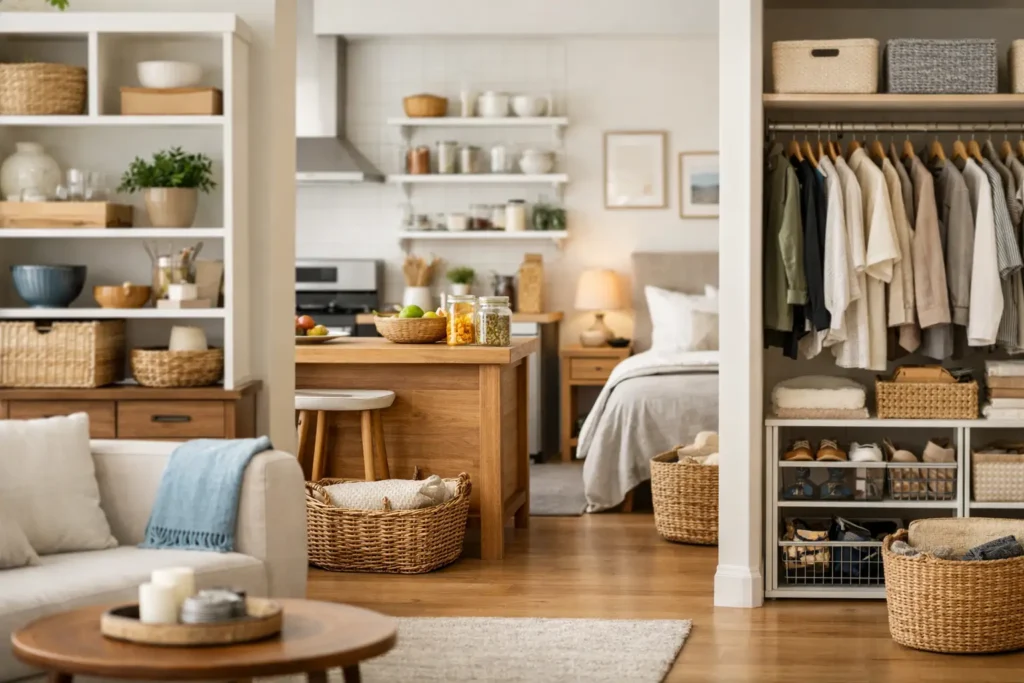

The fastest way to get overwhelmed by clutter is trying to fix your whole house at once. A better approach is room by room home organization – one space, one purpose, one set of decisions at a time. That rhythm feels lighter, gives you quicker wins, and makes it much easier to create a home that looks calm and works well for real life.
What makes this method so effective is that each room asks something different of you. The kitchen needs efficiency. The bedroom needs rest. The entryway needs a landing spot for daily chaos. When you organize by room instead of by vague categories, your systems start matching how you actually live.
Why room by room home organization works
When people feel stuck, it is usually not because they do not know how to tidy. It is because every room contains a mix of habits, emotions, and unfinished decisions. A one-size-fits-all approach rarely holds up for long.
Organizing room by room helps you narrow the question. Instead of asking, “How do I get my house together?” you ask, “What keeps this bathroom from staying neat?” That shift is powerful. It leads to better storage choices, more realistic routines, and less pressure to make your entire home look perfect in a weekend.
It also helps you spend smarter. You may need drawer dividers in the kitchen, hooks in the entryway, and under-bed bins in the bedroom, but not matching containers in every closet just because they look nice online. Stylish organization should still earn its place.
Start with the rooms that affect your day most
If you are deciding where to begin, start where clutter creates the most friction. For some homes, that is the kitchen counter that never stays clear. For others, it is the front door area where shoes, bags, and mail pile up by 5 p.m.
A smart order is usually entryway, kitchen, bathroom, bedroom, living room, then storage spaces like closets or laundry areas. That said, it depends on your season of life. If mornings feel rushed, begin in the bathroom. If evenings feel chaotic, focus on the kitchen or family room. The best starting point is the one that gives you visible relief right away.
Entryway organization sets the tone
Your entryway does not need to be large to be useful. It just needs clear jobs. This is where keys land, shoes pause, bags rest, and incoming paper gets sorted before it spreads.
The biggest mistake in this space is expecting it to stay tidy without giving everyday items a home. A small tray for keys, a basket for shoes, wall hooks for bags, and one container for mail can completely change the feel of the area. If you have kids, lower hooks and easy-to-reach bins matter more than anything decorative.
Try to keep this area edited. If coats for every season live here year-round, the space starts feeling crowded fast. Leave out what you are actually using now and store the rest elsewhere.
Kitchen organization should make daily tasks easier
A beautifully organized kitchen is nice. A kitchen that lets you unload groceries, cook dinner, and pack lunches without frustration is better. Function comes first here.
Start with the surfaces you use most. Clear the counters by moving rarely used appliances to cabinets or a pantry shelf. Then organize based on activity zones. Keep cooking tools near the stove, prep items near the cutting area, and food storage containers close to where leftovers are packed.
Pantries often become messy because they hold too many half-used items and too many categories mixed together. Group snacks with snacks, baking with baking, canned goods with canned goods. You do not need a magazine-worthy pantry to make it work. Simple bins and labels can help, but the real win is keeping like items together so you can see what you have.
Drawers deserve attention too. Utensils, wraps, spices, and random kitchen gadgets can create daily annoyance when they slide into chaos. A few dividers can make a major difference, especially in smaller kitchens where every inch counts.
Bathroom organization is about calm and convenience
Bathrooms collect more products than most of us realize. Backup bottles, skin care samples, old makeup, extra towels, half-finished hair products – it adds up quickly.
Begin by removing anything expired, unused, or duplicated beyond what you realistically need. Then think in routines. Morning essentials should be easy to reach. Everyday shower products should stay together. First-aid items and extras can live in a separate bin or cabinet.
If your bathroom is short on storage, vertical space can help. Wall shelves, over-the-toilet storage, and slim drawer units often work better than trying to cram more into an already full vanity. In shared bathrooms, separate containers for each person can make mornings much smoother.
This is also a room where visual clutter matters. Too many products on the counter can make a clean bathroom still feel messy. Leave out the basics and tuck the rest away if you can.
Bedroom organization should support rest
Bedrooms become catchalls when there is no plan for clothing, books, chargers, laundry, and those in-between items that seem to migrate there by default. The goal is not a bare, styled room. The goal is a space that feels peaceful at the end of the day.
Start with visible clutter. Nightstands, dressers, and the foot of the bed tend to gather the most overflow. A small dish for jewelry, a basket for extra blankets, and a hamper in the right spot can solve more than you might expect.
Closets matter, but perfection is not required. What helps most is organizing clothing in a way that fits your habits. If you fold consistently, use drawers and bins. If you prefer hanging, make room for that. If laundry tends to pile up, a double hamper for lights and darks may work better than promising yourself you will sort later.
Under-bed storage is useful, but only for the right items. Off-season clothing, spare linens, or occasional-use accessories make sense. Everyday things stored under the bed often become forgotten clutter.
Living room organization should balance comfort and storage
The living room has to do a lot. It may be where you relax, host guests, help with homework, store throws, charge devices, and corral toys. That mix is exactly why it needs flexible organization.
Instead of trying to hide every sign of life, build in attractive storage that fits the room. Lidded baskets, storage ottomans, console cabinets, and closed shelving all help keep essentials nearby without leaving everything on display.
Think about what really belongs in this room. Remote controls, blankets, books, and a few current activities are reasonable. Old mail, random shopping bags, and items from other rooms are what make the space feel unsettled. A quick nightly reset can keep clutter from spreading without turning cleaning into a big production.
Kids’ spaces and family zones need simple systems
If a space is used by children or by the whole family, the system needs to be easy enough to maintain on busy days. That usually means open bins, labels with words or pictures, and fewer categories than you think you need.
Toy storage works best when it is broad and forgiving. Tiny sorting systems may look neat at first, but they are harder to keep up with. Books in one bin, building toys in another, art supplies in a drawer, and daily favorites in easy reach is often enough.
The same idea applies to mudrooms, homework stations, and family command centers. Simpler systems win because real homes are busy. Everyday Home Style readers are not looking for perfection – they are looking for a home that runs better.
Don’t forget the hidden spaces
Closets, laundry rooms, and utility areas do not need to be pretty to be useful, but they do need limits. These spaces often become the backup plan for everything that does not have a home.
Before buying containers, decide what the space should store and what it should not. A linen closet should not quietly become a dumping ground for travel gear and gift wrap unless you truly have room for both. Shelves work best when each one has a purpose, even if that purpose is simple.
Laundry rooms benefit from the same logic. Keep detergents, stain products, and laundry tools together. Add a spot for lost socks, air-dry items, and cleaning cloths. The more predictable the setup, the less stressful the chore feels.
How to keep your organization systems going
The part people skip is maintenance. Even the best room by room home organization plan can fall apart if it asks too much of your daily routine.
Choose systems that are easy to reset in a minute or two. A basket is often better than a complicated filing method. A hook is often better than a hanger. Closed storage is helpful when you need visual calm, but only if it is not so packed that putting things away becomes annoying.
It also helps to expect change. A system that worked before a move, a new baby, a school schedule shift, or a job change may stop fitting your life. That does not mean you failed. It just means your home needs a small adjustment.
A well-organized home is not one where nothing is ever out of place. It is one where your spaces support your routines, your style, and the way you want to feel when you walk through the door. Start with one room, make it easier to live in, and let that momentum carry into the next.
Common Mistakes That Make Home Organization Harder
After years of seeing organizing trends come and go, one thing becomes clear: most homes do not struggle because people are lazy or messy. They struggle because the systems they are trying to maintain are too complicated for everyday life.
One of the biggest mistakes is trying to organize the entire house in a weekend. That usually leads to exhaustion and half-finished projects. Small wins create more lasting change than marathon decluttering sessions.
Another common mistake is buying containers before deciding what actually needs to be stored. Bins and baskets are helpful tools, but they cannot solve clutter caused by keeping too many things or lacking clear categories.
People also tend to create systems that look beautiful but require too much effort to maintain. Folding everything perfectly, sorting toys into dozens of tiny groups, or stuffing overfilled cabinets with matching containers may look impressive, but simple systems almost always last longer.
Perhaps the biggest mistake is expecting organization to stay perfect. Homes change. Seasons change. Families grow. A system that worked a year ago may need adjusting today. That is normal. Good organization is not about creating a static home—it is about creating spaces that can adapt to real life.
Final Thoughts From Experience
One thing I have learned is that organized homes rarely happen because someone found the perfect container or copied a picture from social media. They happen because people create systems that match the way they actually live.
The homes that stay organized the longest are not necessarily the most minimalist or the most beautiful. They are the ones where everyday tasks feel easier. Shoes have a place. Laundry has a routine. Kitchen tools are where you expect them to be. Nothing is complicated, and that simplicity is what makes the difference.
I have also found that progress matters far more than perfection. Most people do not need a magazine-worthy house. They want less stress in the morning, less frustration looking for things, and rooms that feel calm instead of overwhelming. Those small improvements add up in ways that are easy to underestimate.
If you are starting your own room by room home organization journey, resist the urge to tackle everything at once. Focus on one space. Make it work for your daily routines. Live with it for a while, then move to the next room. Momentum grows faster than motivation, and simple systems almost always outperform perfect ones.
In the end, home organization is not really about having less stuff or creating picture-perfect spaces. It is about creating a home that supports your life, makes everyday tasks easier, and allows you to spend less time managing clutter and more time enjoying the people and routines that matter most.
About the Author
Fher is an architect specializing in residential design and space optimization. With hands-on experience improving how homes function and feel, he shares practical insights to help homeowners create spaces that are both beautiful and livable.