
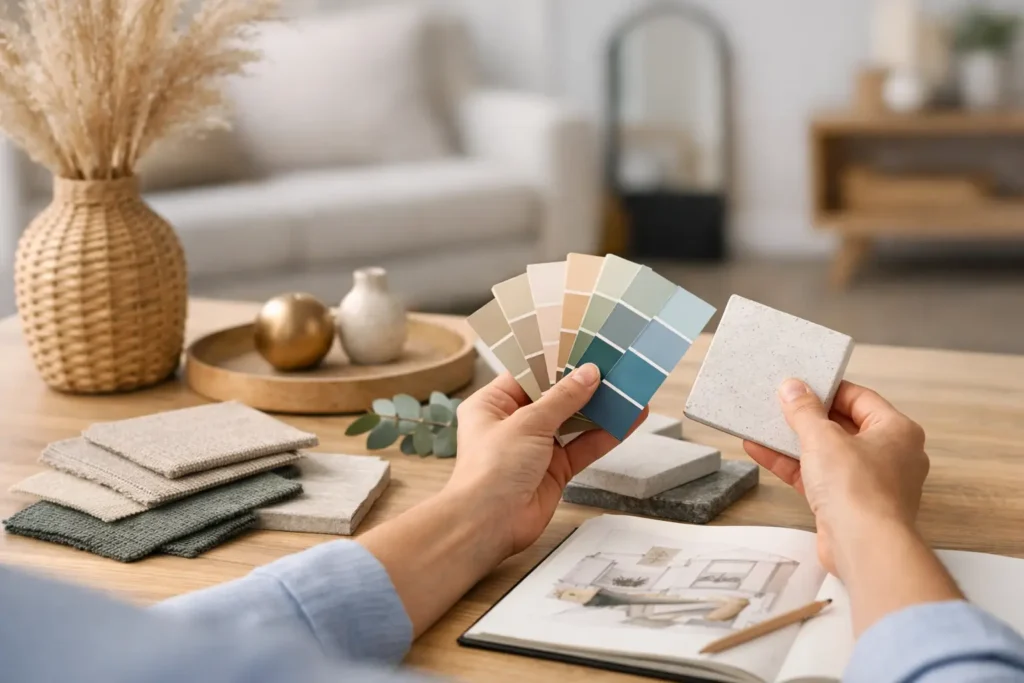

You know the feeling – you save a sleek modern kitchen, a cozy farmhouse bedroom, and a colorful boho living room, then look around your own home and wonder what your style actually is. If you’re trying to figure out how to find your decorating style, the good news is that you do not need a perfect label or a designer budget. You just need a clearer sense of what makes your home feel comfortable, useful, and like you.
For most people, decorating style is not one neat category. It is a mix of preferences, habits, and real-life needs. That is why so many homes feel more personal when they borrow from a few styles instead of following one look too strictly. The goal is not to impress the internet. It is to create a home you love coming back to.
Why finding your style feels harder than it should
A lot of decorating advice makes style sound like a personality quiz with one correct answer. Real homes do not work that way. You may love clean lines but still want warm wood tones. You may be drawn to traditional details but need furniture that can handle kids, pets, or a small apartment layout.
Another reason it feels confusing is that inspiration images are often edited, expensive, or designed for homes that do not match your own. A room with towering ceilings and perfect sunlight can make almost any style look easy. In everyday life, you are working with existing floors, hand-me-down pieces, rental rules, and a budget that has to stretch.
That is exactly why your decorating style should start with your life, not just your saved photos.
How to find your decorating style by looking at what you already love
Before you buy anything, take inventory. Walk through your home and notice the pieces you would keep no matter what. Maybe it is your linen curtains, your leather armchair, a vintage dresser from your grandmother, or the light neutral paint colors that always make you feel calm.
Those favorites matter because they reveal patterns. Pay attention to the shapes, materials, and colors you return to again and again. Do you like soft textures and cozy layers, or smooth surfaces and less visual clutter? Are you happiest with earthy tones, high contrast, or light airy palettes?
This part sounds simple, but it works. Most people already own clues to their style. They just have not looked at them on purpose.
Look beyond decor photos
Your style often shows up in places outside the home category. Notice the clothes you wear most, the coffee shops or hotels you find relaxing, even the packaging or artwork you naturally gravitate toward. If your wardrobe is full of soft neutrals and classic cuts, you may prefer timeless interiors over trendy ones. If you love color and pattern in fashion, your home may need more personality than you have been giving it.
This can help you separate what you admire from what you actually want to live with. That is an important difference. You can appreciate dramatic maximalist rooms and still realize you feel best in a quieter, simpler space.
Start with how you want the room to feel
One of the easiest ways to narrow your style is to stop asking, What should this room look like? and ask, How should this room feel when I am in it?
Maybe you want your living room to feel calm, cozy, and easy to maintain. Maybe you want your dining area to feel relaxed but pulled together. Maybe your bedroom needs to feel soft and restful, not crowded with decor that looked cute online but adds visual noise.
Once you choose the feeling, style decisions get easier. A calm room usually calls for a more limited color palette, softer contrast, and fewer fussy details. A lively room can handle bolder prints, more collected accents, and richer color. Mood creates direction, especially when you are torn between several aesthetics.
Use inspiration the smart way
Saving photos is helpful, but random scrolling can leave you more confused than inspired. Instead of collecting hundreds of images, gather a small group of rooms you genuinely want to live in. Ten to fifteen is enough.
Then study them. Do not just say, I like this room. Ask what you like about it. Maybe every image includes warm wood, woven textures, black accents, simple window treatments, or comfortable furniture with rounded lines. These repeated details tell you more than broad style labels ever will.
Notice the overlap
If your saved rooms seem all over the place, look for what repeats across them. You may find that even your different-looking images share the same mood or materials. For example, a modern room and a rustic room can both feel warm, uncluttered, and grounded. That overlap is where your personal style usually lives.
This is also the moment to be honest about your home. If you love formal, highly styled spaces but do not enjoy constant upkeep, your better fit may be something relaxed and classic instead. Style should support your daily life, not create more work.
Learn the common style families without forcing a label
It helps to understand a few broad decorating styles, but only as reference points. Modern tends to favor clean lines, minimal ornament, and simple forms. Traditional feels classic, layered, and polished. Farmhouse usually leans warm, casual, and rustic. Scandinavian is light, functional, and understated. Boho is more collected, textured, and expressive. Coastal often feels airy, relaxed, and natural.
You do not need to fit neatly into one of these. In fact, many of the most inviting homes mix two or three. You might be modern cozy, traditional with a casual twist, or farmhouse with cleaner lines. A blended style usually feels more natural because it reflects real taste instead of a showroom formula.
How to find your decorating style when you’re on a budget
A tight budget can actually help you make better decisions. It forces you to slow down and buy with intention. Instead of replacing everything, start with the easiest high-impact pieces to test your direction – pillows, throws, lampshades, art, curtains, and small furniture accents.
If you think you like a certain style, try it in layers before committing to expensive items. Bring in a warmer rug, swap hardware, add a wood-toned side table, or repaint a room. These smaller moves help you see what feels right in your actual space.
This is especially helpful for renters or anyone decorating around existing finishes they cannot change. You do not need a full renovation to create a strong point of view. Often, the style shift happens through texture, color, lighting, and editing.
Pay attention to what is not working
Sometimes style becomes clearer when you identify what bothers you. Maybe your room feels too cold, too busy, too bland, or too matchy. Those reactions are useful.
If a space feels cold, you may need more softness, warmer finishes, or layered lighting. If it feels busy, your style may lean simpler than you thought. If it feels bland, you may need contrast, pattern, or more meaningful personal pieces. Knowing what to remove is just as important as knowing what to add.
This is where a lot of people get stuck. They keep bringing in more decor when the room really needs editing. A home starts to feel stylish when the right elements stand out, not when every surface is filled.
Give yourself permission to evolve
Your decorating style is allowed to change. In fact, it probably should. The home that suited you in your first apartment may not fit your life now. A house with kids, pets, work-from-home needs, or less free time will naturally ask for different choices.
That does not mean you were wrong before. It just means your home is growing with you. Style is not a fixed identity. It is an ongoing conversation between what you love and how you live.
At Everyday Home Style, we believe the best rooms are the ones that feel personal, comfortable, and usable on an ordinary Tuesday. That is a much better goal than chasing a picture-perfect trend.
A simple way to define your style in one sentence
If you want a practical shortcut, try describing your ideal home in three words. Think of combinations like cozy, light, and collected, or classic, warm, and simple. Then use those words as a filter every time you shop or rearrange.
This works because it keeps you focused without boxing you in. A three-word style direction is flexible enough to grow with your home, but specific enough to stop impulse buys that do not fit.
If an item is beautiful but does not match the feeling you want, leave it. Not every pretty thing belongs in your house.
Finding your decorating style is less about naming an aesthetic and more about noticing yourself. The more clearly you understand what brings comfort, function, and beauty to your everyday life, the easier it becomes to build a home that feels genuinely yours.
Final Thoughts From Experience
One thing I have noticed over and over is that people usually know their style long before they know what to call it.
The problem is rarely a lack of taste. More often, it is information overload. Social media exposes us to thousands of beautiful rooms, but very few of them are designed around real life. A space can photograph perfectly and still feel uncomfortable, impractical, or exhausting to maintain every day.
The homes that feel the most inviting are usually not the most expensive or the most perfectly styled. They are the ones where the choices feel intentional. There is a sense that the person living there understands what makes them feel calm, inspired, comfortable, or grounded.
Over time, I have also noticed that many decorating mistakes come from trying to force a label too early. People think they need to become “modern,” “farmhouse,” or “minimalist,” when in reality most beautiful homes combine elements from several styles. What matters more is consistency in mood, materials, scale, and comfort.
For example, a room with soft lighting, warm wood tones, natural textures, and simple furniture often feels welcoming even when the pieces themselves come from completely different styles. Good interiors are usually less about following rules and more about creating balance.
Another pattern I see often is that people underestimate how much function affects style. A home that works well for your daily routines almost always feels more beautiful in the long run. Comfortable seating, practical storage, durable materials, and good lighting may not sound exciting, but they are often the foundation of rooms people genuinely love spending time in.
If you are still trying to figure out your decorating style, give yourself permission to move slowly. Pay attention to the spaces that make you feel relaxed and to the objects you continue loving over time. Your real style is usually hiding in those repeated choices, not in a trend forecast or a viral photo online.
A well-designed home does not need to impress everyone. It just needs to support the life you actually live
About the Author
Fher is an architect specializing in residential design and space optimization. With hands-on experience improving how homes function and feel, he shares practical insights to help homeowners create spaces that are both beautiful and livable.

Pingback: How to Style a Mantel That Feels Like Home - everydayhomestyle.io