
What Are Ladles?
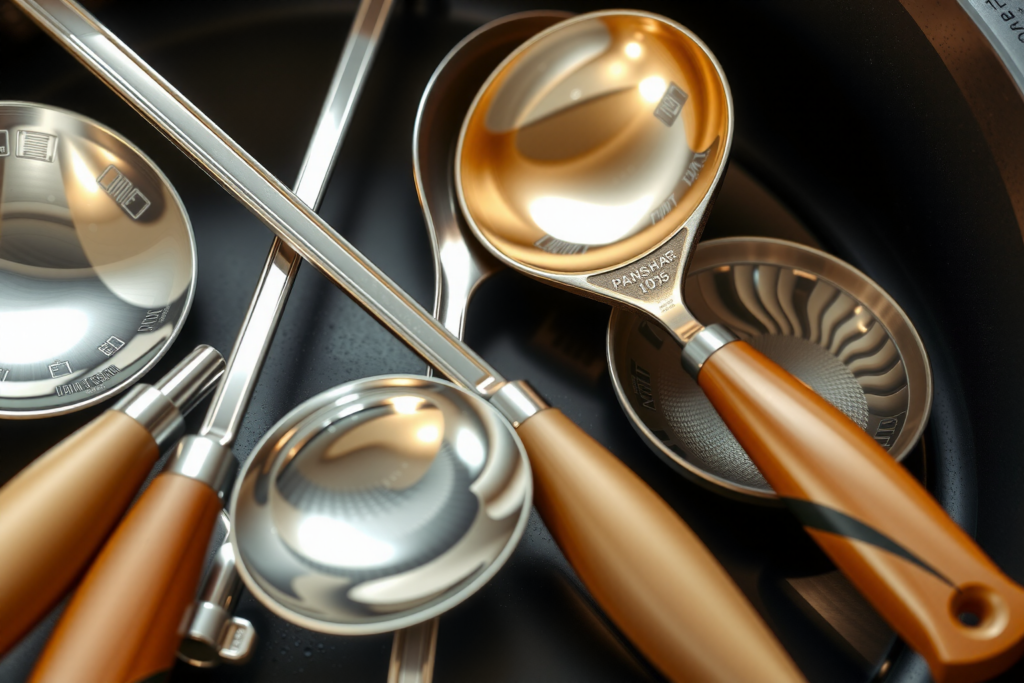
Ladles are large, deep spoons with long handles designed for scooping and serving liquids such as soups, stews, sauces, and broths.
Their unique design—a deep bowl and extended handle—makes them ideal for transferring hot liquids safely from pots to bowls without spills or burns.
Why Ladles Are Essential in the Kitchen
Ladles are one of the most practical kitchen tools because they help with:
- Serving liquids easily (soups, sauces, gravies)
- Portion control when plating dishes
- Safety when handling hot liquids
- Efficiency in transferring food from pot to plate
Unlike regular spoons, ladles are specifically designed for deep containers and liquid-based foods, making them indispensable in everyday cooking.
Common Uses of Ladles
Ladles are more versatile than they seem. Here are their main uses:
- Serving soups, stews, and broths
- Pouring sauces and gravies
- Scooping punch or beverages
- Portioning batter (e.g., pancakes)
- Transferring liquids between containers
Their deep bowl allows them to hold a larger volume of liquid compared to standard spoons, improving efficiency in the kitchen.
Types of Ladles
1. Soup Ladles
Designed for serving soups and broths, these are the most common type. They typically have a deep, round bowl for maximum capacity.
2. Slotted Ladles
These ladles have holes or slots, allowing liquid to drain while keeping solid food.
They are ideal for:
- Serving vegetables from broth
- Removing boiled eggs or pasta from water
3. Sauce Ladles
Smaller than soup ladles, these are perfect for serving sauces, gravies, and dressings with precision.
4. Wok Ladles
Common in Asian cooking, wok ladles have a flatter and wider shape, making them suitable for stirring and scooping food in a wok.
Materials Used in Ladles
Ladles come in different materials, each with advantages:
- Stainless steel: Durable and long-lasting
- Silicone: Heat-resistant and safe for non-stick cookware
- Wood: Gentle on cookware but requires more care
Choosing the right material depends on your cookware and cooking style.
How to Choose the Best Ladle
When selecting a ladle, consider the following factors:
1. Bowl Depth and Size
A deeper bowl allows you to serve more liquid at once, improving efficiency.
2. Handle Length
Long handles help you safely reach into deep pots and avoid burns.
3. Material Compatibility
Use silicone or wood for non-stick pans, and stainless steel for durability.
4. Pouring Design
Some ladles include spouts for controlled pouring, which reduces spills.
Ladles vs Regular Spoons
- Ladles: Deep bowl + long handle, ideal for liquids
- Regular spoons: Smaller and better for solid foods or stirring
Ladles are specifically designed for tasks that regular spoons cannot perform efficiently.
Common Mistakes to Avoid
- Using metal ladles on non-stick cookware
- Choosing a ladle that is too small for your needs
- Ignoring handle length (short handles increase burn risk)
- Buying low-quality materials that warp or stain
Pro Tips for Using Ladles
- Keep your ladle near the stove when cooking soups or sauces
- Use separate ladles for different dishes to avoid flavor mixing
- Hang ladles for easy access and better kitchen organization
- Clean immediately after use to prevent residue buildup
Final Thoughts
Ladles may seem like a simple kitchen tool, but they play a crucial role in cooking and serving. Their design makes them the best option for handling liquids safely and efficiently.
Whether you’re preparing soups, sauces, or stews, having the right ladle can make your cooking process smoother and more enjoyable.