
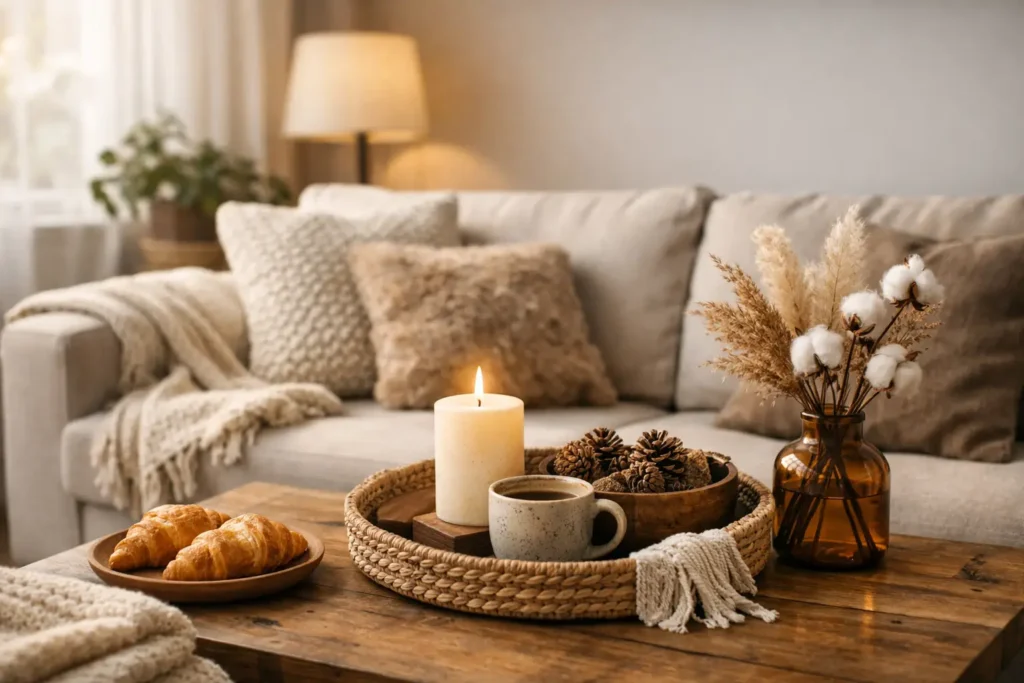

Some homes feel good the second you walk in, and it usually has very little to do with square footage or expensive furniture. The real secret in how to make a home cozy is creating a space that feels warm, lived-in, and easy to enjoy every day. That means paying attention to comfort, light, texture, and the little details that make a room feel like it belongs to you.
Cozy is also more personal than people think. For one person, it looks like layered blankets and low lighting. For another, it means a clean kitchen, a soft rug underfoot, and a chair by the window where the morning coffee always tastes better. A cozy home is not a style category. It is a feeling, and that is good news because feelings can be built step by step on almost any budget.
How to make a home cozy starts with comfort
If a room looks nice but does not feel good to sit in, move through, or relax in, it will never fully read as cozy. Comfort should come first. Start with the places you use most often, like the sofa, bed, dining nook, or reading chair, and ask a simple question: do I actually want to spend time here?
Sometimes the fix is obvious. A couch may need softer throw pillows, a bedroom may need better bedding, or a dining chair may need a cushion so it does not feel stiff after ten minutes. These are small upgrades, but they change how a room supports daily life. Cozy spaces invite you to stay a while.
There is a trade-off here, though. Too much softness can make a room feel cluttered or heavy, especially in smaller homes and apartments. The goal is not to pile on every blanket you own. It is to add comfort with intention so the room feels welcoming instead of crowded.
Use lighting to soften the whole room
Lighting is one of the fastest ways to change the mood of a home. Overhead lights alone tend to feel flat and a little harsh, especially in the evening. If your rooms feel cold even when they are decorated nicely, lighting is often the missing piece.
The easiest shift is to add layers. A table lamp on a side table, a floor lamp in a dark corner, and a small lamp on a dresser can make a room feel calmer almost immediately. Warm-toned bulbs matter too. They cast a gentler glow and help colors, wood tones, and fabrics feel richer.
Candles can help, whether they are real or flameless, but they work best as part of a mix rather than the whole plan. In a family home, safety and convenience matter. Flameless candles may not have the same flicker, but they are easy to use every night, and that consistency is part of what makes a home feel cozy in the first place.
Bring in texture, not just more stuff
One of the easiest mistakes in decorating is thinking cozy means filling every empty spot. Usually, the opposite works better. A cozy room needs texture more than it needs volume.
Texture gives a home visual warmth. Think woven baskets, soft curtains, knit throws, linen pillow covers, wood accents, ceramic pieces, and rugs that feel good under bare feet. When these materials are mixed together, a room starts to feel layered and relaxed instead of flat.
This matters even more if your home has a lot of hard surfaces, like laminate flooring, builder-grade finishes, metal fixtures, or plain white walls. Texture balances those elements and makes the space feel less stark. If your budget is tight, start with the biggest surfaces first. A rug in the living room, fuller curtains in the bedroom, or a textured runner in the kitchen can do more than several small accessories scattered around the house.
Make the layout feel easy and lived in
A cozy home is not only about what you put in a room. It is also about how the room works. If you have to squeeze around furniture, if seating is too far apart for conversation, or if everything faces a TV with no thought to comfort, the room may feel awkward no matter how pretty it looks.
Try pulling furniture a little closer together to create connection. In living rooms, this can make the space feel more intimate, especially if you anchor it with a rug. In bedrooms, moving a chair and small table into a corner can create a quiet spot that gives the room more purpose. In kitchens, clearing counters and leaving one styled-but-useful area, like a tray with a candle, wooden spoon crock, and cutting board, can make the room feel warmer without getting in the way.
This is where real life should lead. If your family gathers in the kitchen, make that room feel inviting. If your favorite place is the bedroom at the end of a long day, start there. You do not need to cozy up the whole house at once.
Keep clutter under control, but do not erase personality
There is a reason clutter makes a room feel stressful. When surfaces are overloaded and storage is not working, the home feels busy before it feels restful. If you are figuring out how to make a home cozy, a quick reset can help more than buying new decor.
That does not mean your home should look empty or staged. Cozy homes have personality. They show signs of life. The trick is to edit what is visible so the things you keep out actually add to the atmosphere.
A stack of books on a coffee table feels warm. A pile of unopened mail does not. A bowl of fruit in the kitchen feels homey. A dozen random gadgets on the counter feel chaotic. Try to leave out the items that are useful, beautiful, or meaningful, and give the rest a proper place.
Add personal touches that tell your story
The homes people remember usually have some individuality to them. They do not feel copied straight from a catalog. That is a huge part of coziness.
Framed family photos, thrifted finds, travel keepsakes, favorite books, handmade pottery, or art that genuinely makes you happy all help a space feel rooted. These details create emotional warmth, which is often what people mean when they say a home feels inviting.
If you worry about things looking mismatched, choose a few consistent elements to tie them together. Similar frames, repeated wood tones, or a small palette of colors can help personal items feel intentional. You do not need a perfectly curated home. You need a home that reflects the people living there.
Cozy homes appeal to more than sight
A room can look beautiful and still feel a little flat if the atmosphere stops at decor. Scent, sound, and touch all shape how a home feels.
Soft background music while cooking dinner, a lightly scented candle in the entryway, crisp sheets in the bedroom, or a plush bath mat in the bathroom can all make daily routines feel better. These details are easy to overlook because they are not always visible in photos, but they matter in real life.
It depends on your household, of course. If someone is sensitive to fragrance, skip strong scents and focus on fresh air, clean fabrics, and natural elements instead. Open windows when weather allows. Bring in a plant or a vase of branches from the yard. Even small signs of life make a home feel softer.
How to make a home cozy in every season
Cozy is often associated with fall and winter, but a welcoming home should not disappear when the weather changes. In colder months, that may mean heavier throws, warmer lighting, and richer textures. In spring and summer, coziness can look lighter and airier while still feeling comfortable.
Swap heavy blankets for breathable cotton, use lighter curtain panels, and keep natural textures like jute, rattan, wood, and linen in the mix. A cozy home in warm weather still feels relaxed and personal. It just does not need as much visual weight.
Seasonal changes are actually useful because they keep your home from feeling stale. You do not need a full redesign each quarter. Rotating pillow covers, candles, or small accents is often enough to keep the atmosphere feeling fresh.
Start with one room and build from there
If your whole home feels unfinished, trying to fix everything at once can get expensive fast. A better approach is to choose one room that would improve your everyday life the most and focus there first.
For many people, that is the living room or bedroom because those spaces carry the most emotional weight. Make the bed feel more inviting. Add a lamp beside the sofa. Put a rug where your feet land in the morning. Hang curtains a little higher. Style one shelf with items you love. Small changes build momentum, and that is often what turns a house into a home you love spending time in.
At Everyday Home Style, we believe the coziest homes are rarely the fanciest ones. They are the homes that feel thoughtful, comfortable, and truly lived in. Start with what helps you exhale when you walk through the door, and let the rest come together around that feeling.
A cozy home does not ask for perfection. It asks for care, comfort, and a few choices that make everyday life feel a little warmer.
##Final Thoughts From Experience
Creating a cozy home is rarely about buying all new furniture or chasing a perfect Pinterest aesthetic. In real homes, comfort comes from the small decisions that make everyday life feel easier, calmer, and more personal. Over time, I have noticed that the spaces people love most are usually not the most expensive ones. They are the rooms that feel intentional.
If you are trying to figure out how to make a home cozy, focus less on decorating for appearance alone and more on how you want the space to support your daily routines. A softer light in the evening, a rug that feels good under your feet, a chair you actually enjoy sitting in, or a few meaningful personal items can completely change how a room feels without requiring a major budget.
One practical mistake people often make is trying to transform the entire house at once. That usually leads to burnout, clutter purchases, or rooms that feel unfinished. A better approach is to improve one space at a time, starting with the room you use most. Small upgrades done thoughtfully tend to create a more lasting result than rushing through a full makeover.
It also helps to remember that cozy does not mean crowded. Some of the warmest homes are actually quite simple. They just balance comfort, texture, lighting, and personality in a way that feels natural. Editing out visual clutter is often just as important as adding decorative pieces.
Most importantly, give yourself permission to create a home that reflects your real life instead of trends alone. Homes feel inviting when they carry signs of the people living in them. That could mean favorite books on a shelf, a worn wooden table that gets used every day, family photos, handmade pieces, or even a quiet corner where you drink coffee every morning. Those details create emotional warmth, and that is the part people remember.
At the end of the day, the coziest homes are not perfect. They are comfortable, lived-in, and designed with care. When a home helps you relax the moment you walk through the door, you have already done the most important part right.
About the Author
Fher is an architect specializing in residential design and space optimization. With hands-on experience improving how homes function and feel, he shares practical insights to help homeowners create spaces that are both beautiful and livable.